Mold Removal, Water Damage Restoration & Black Mold Abatement in San Francisco, CA
Pacific marine fog layers, winter atmospheric river downpours, and uninsulated Victorian wall cavities create continuous indoor moisture battles across the San Francisco Peninsula[cite: 1]. Mold Out California delivers precision structural drying, containment-grade mold removal, and toxic black mold abatement tailored to historic plaster, soft-story multi-unit framing, and flat roof drainage leaks[cite: 1]. We eliminate hidden hyphae roots, restore indoor air ecology, and halt property decay safely[cite: 1].
Request SF Field Assessment
Rapid dispatch across Sunset, Richmond, Mission, Marina & SoMa[cite: 1]
Why San Francisco Properties Face Chronic Moisture & Fungal Intrusion
San Francisco possesses one of the most demanding indoor environmental microclimates on the West Coast. The city's famous summer marine layer ("Karl the Fog") and coastal winds keep ambient outdoor relative humidity hovering between 75% and 85% for months[cite: 1]. Because historical Edwardian and Victorian homes along the avenues lack modern exterior vapor barriers and thermal insulation breaks, cold ocean dampness conducts directly through redwood siding and dense lath-and-plaster assemblies[cite: 1].
When warm indoor living air touches these chilly perimeter walls, condensation collects quietly inside exterior closets, behind baseboards, and beneath heavy furniture[cite: 1]. San Francisco residents frequently discuss on local neighborhood forums how shoes in bedroom closets grow green dust and window headers blacken within weeks. During wet winter storms, aged flat bitumen roofs and internal lightwells back up, driving Category 3 rainwater into structural joist bays[cite: 1]. Without mechanical extraction, active Stachybotrys colonies establish inside 24 to 48 hours[cite: 1]. Explore our regional coverage across the California service network and our neighbor hub in San Mateo County[cite: 1].
Sunset & Richmond Corridors
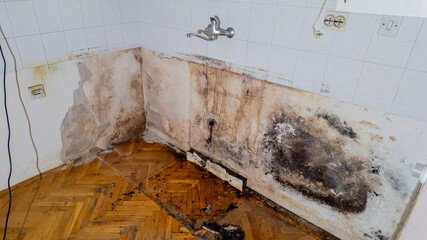
Neighborhoods bordering Ocean Beach and Golden Gate Park along Noriega Street, Judah Street, and Geary Boulevard face perpetual dampness[cite: 1]. Saturated exterior stucco and unheated lower-level garden flats suffer continuous closet condensation, damp subfloors, and stubborn mold blooms behind perimeter baseboards[cite: 1].
Mission, Haight & Castro Victorians
Century-old multi-unit flats along Valencia Street, Haight Street, and 24th Street feature century-old cast-iron plumbing stacks and shared lightwell shafts[cite: 1]. Unventilated interior bathrooms and hidden sewer stack seeps saturate plaster walls, requiring targeted remediation to protect architectural integrity[cite: 1].
Marina & SoMa Flatlands
Built on coastal fill and shallow groundwater tables near Marina Boulevard, Howard Street, and Townsend Street, these multi-story buildings experience upward moisture migration through unsealed concrete slabs, flooding soft-story storage garages and damaging ground-floor office layouts[cite: 1].
Core Environmental Restoration Services in San Francisco
Engineered remediation, moisture mitigation, and habitability restoration built specifically for San Francisco's historic architecture, fog corridors, and municipal housing codes[cite: 1].
Water Damage Restoration San Francisco
Ruptured radiator pipes, pressurized copper pinhole leaks, and overflowing roof drains demand immediate mechanical extraction[cite: 1]. In San Francisco's multi-story Edwardian and Victorian buildings, gravity pulls standing water down through several floors, pooling inside ceiling drywall, hardwood tongue-and-groove flooring, and joist spaces[cite: 1].
We deploy heavy-duty extraction pumps and install scientific drying chambers utilizing Low-Grain Refrigerant (LGR) dehumidifiers paired with high-velocity centrifugal air movers[cite: 1]. Our technicians monitor daily psychrometric progress, tracking grains per pound (GPP) until framing moisture levels drop below 12% wood moisture equivalent[cite: 1].
- Emergency water extraction and flood barrier deployment[cite: 1]
- Thermal boundary FLIR infrared moisture logging[cite: 1]
- Deep subfloor and lath-and-plaster cavity drying[cite: 1]
- Detailed daily psychrometric dry-down charting[cite: 1]
Mold Removal San Francisco
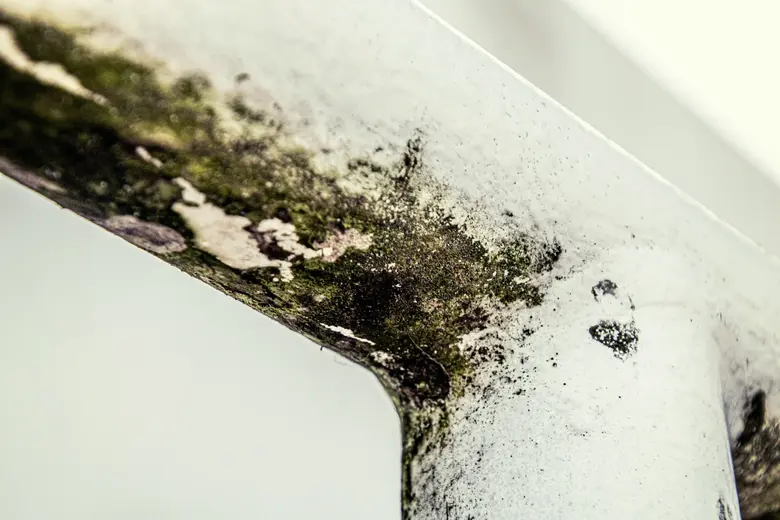
Surface mold spreading across bathroom ceilings, cold exterior bedroom corners, window casing sills, and unvented basement kitchens needs careful decontamination[cite: 1]. Surface wiping or painting over mold with standard primers leaves live hyphae roots embedded deep in gypsum and timber, resulting in recurring outbreaks.
We safely scrub non-porous and semi-porous surfaces with hospital-grade antimicrobial agents that neutralize fungal roots at their cellular core[cite: 1]. Heavily ruined drywall and damp insulation are cut under HEPA extraction and sealed in airtight 6-mil poly bags to stop cross-contamination[cite: 1]. Visit our mold removal home page to see how we protect homes.
- Hospital-grade antimicrobial surface neutralizers[cite: 1]
- Safe extraction of contaminated drywall and insulation[cite: 1]
- HEPA vacuuming capturing 99.97% of fungal micro-particulates[cite: 1]
- Complete removal of musty odors without masking scents[cite: 1]
Mold Remediation San Francisco
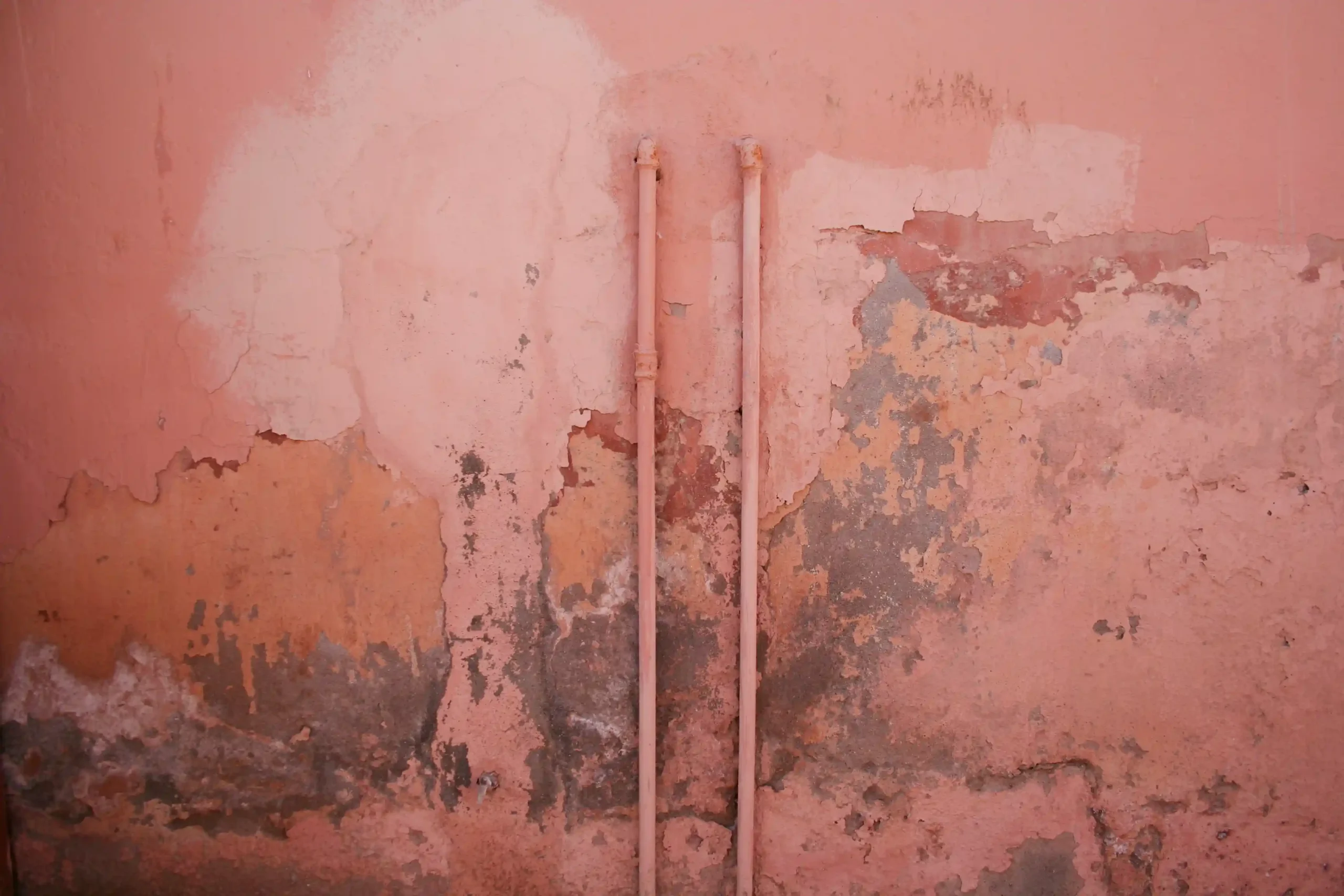
True remediation corrects the underlying moisture vulnerability and restores indoor air ecology to natural baseline levels[cite: 1]. For San Francisco property owners facing landlord-tenant disputes or Department of Building Inspection (DBI) habitability notices, our documented remediation meets all municipal health standards[cite: 1].
We seal work areas with heavy plastic sheeting under negative pressure using industrial air scrubbers that filter the air 6 to 8 times per hour[cite: 1]. Structural timbers are treated with non-toxic, EPA-registered antifungal encapsulants to stop future growth permanently[cite: 1]. Review our documented mold remediation protocol and specialized commercial remediation workflows[cite: 1].
- Airtight poly containment chambers with zipper airlocks[cite: 1]
- Commercial HEPA air scrubbers exhausting clean air outdoors[cite: 1]
- Application of EPA-registered timber encapsulants[cite: 1]
- Verification of Condition 1 normal fungal ecology[cite: 1]
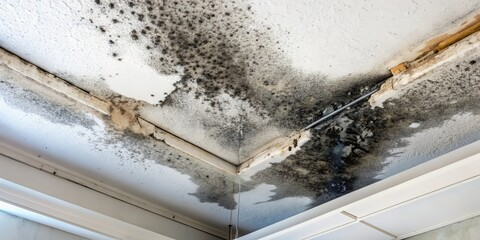
Black Mold Abatement San Francisco
Toxic black mold (Stachybotrys chartarum) thrives on cellulose materials like drywall paper backing, carpet subfloors, and wood subgrade framing that remain soaked for more than 72 hours[cite: 1]. This dark species produces trichothecene mycotoxins known to cause respiratory irritation, chronic coughs, asthma attacks, and severe allergic reactions[cite: 1].
We treat toxic black mold as a hazardous bio-contaminant[cite: 1]. Technicians operate inside negative-pressure zones wearing P100 respirators and full protective suits, using wet-mist methods to prevent loose spores from escaping through heating vents[cite: 1]. Discover our dedicated black mold abatement procedures and schedule a professional mold testing analysis[cite: 1].
- Hazardous Stachybotrys isolation and negative air controls[cite: 1]
- Full P100 respirator protection for field personnel[cite: 1]
- Dust-free wet-misting extraction to contain mycotoxins[cite: 1]
- Double-bagged sealed containment disposal methods[cite: 1]
Our Engineered Four-Step San Francisco Process
Strict adherence to ANSI/IICRC S500 water damage restoration standards and ANSI/IICRC S520 microbial remediation guidelines on every residential flat and commercial building[cite: 1].
Thermal Mapping & Moisture Diagnostics
We inspect damp ceiling assemblies, basement slabs, and hidden wall bays using FLIR thermal cameras and calibrated pinless moisture meters[cite: 1]. We identify exact plumbing or fog intrusion points behind plaster without invasive wall demolition[cite: 1].
Critical Containment & Negative Pressure
Before disturbing contaminated building materials, we erect heavy 6-mil flame-retardant poly containment walls with magnetic zipper entries[cite: 1]. Industrial negative air machines vent scrubbed air outdoors, safeguarding unaffected bedrooms and living areas[cite: 1].
Targeted Extraction & HEPA Vacuuming
Unsalvageable wet plaster, drywall, and insulation are misted with antimicrobial solutions to suppress dust, then cut away and double-bagged[cite: 1]. Exposed framing studs, concrete slabs, and brick footings are vacuumed with HEPA filters trapping particles down to 0.3 microns[cite: 1].
Antimicrobial Encapsulation & Air Clearance
Structural wood is deep-cleaned with hospital-grade antimicrobial solutions and sealed with durable antifungal barriers[cite: 1]. We run commercial dehumidifiers until materials reach baseline dry standards, then facilitate independent third-party air clearance sampling[cite: 1].
Why San Francisco Property Owners & Landlords Trust Our Team
Unbiased scientific clearance protocols, historic building preservation skills, and transparent documentation for insurance adjusters and municipal inspectors[cite: 1].
SF DBI Compliance Expertise
Our detailed remediation records and post-cleaning verification reports help landlords and property managers resolve San Francisco Department of Building Inspection (DBI) habitability complaints smoothly[cite: 1].
Zero Conflict Clearance
We do not evaluate our own remediation work[cite: 2]. We coordinate with independent third-party environmental hygienists for unbiased mold inspections and post-remediation clearance testing[cite: 1, 2].
Historic Architecture Care
We deploy specialized drying and non-invasive remediation methods designed to protect century-old redwood framing, lath-and-plaster details, and delicate hardwood flooring from unnecessary demolition[cite: 1].
Direct Insurance Billing
We provide comprehensive thermal photographic logs, moisture mapping files, and itemized scopes formatted to California insurance carrier guidelines[cite: 1]. Learn more about our background on our about us page.
San Francisco Neighborhoods & Transit Corridors We Support Daily
Our mobile remediation crews travel daily across San Francisco's key arterial routes, including 19th Avenue (Highway 1), Geary Boulevard, US-101, Interstate 280, Van Ness Avenue, and the Embarcadero. From multi-unit Victorian flats overlooking Dolores Park to coastal properties along the Great Highway, we stage high-capacity water extraction pumps, commercial LGR dehumidifiers, and HEPA air scrubbers ready for immediate deployment[cite: 1]. Whether you are navigating moisture damage in an East Bay complex or comparing our regional hubs in Sacramento and Los Angeles, our Bay Area teams resolve moisture hazards fast[cite: 1].
Sunset District & Parkside
Targeted remediation for single-family homes and flats along Sunset Boulevard, Noriega Street, and Taraval Street dealing with heavy ocean fog, condensation on exterior walls, and crawl space dampness[cite: 1].
Richmond District & Presidio
Comprehensive extraction and mold treatment for multi-story residential buildings near Geary Boulevard, California Street, and Clement Street coping with roof drainage leaks and cold plaster condensation[cite: 1].
Mission District & Noe Valley
Specialized moisture tracking and plaster-safe remediation for historic buildings along Valencia Street, Mission Street, and 24th Street experiencing plumbing stack seeps and enclosed lightwell humidity[cite: 1].
Marina District & Cow Hollow
Fast water extraction and sub-slab moisture barrier restoration for homes along Chestnut Street and Marina Boulevard affected by high groundwater tables and storm-driven crawl space water pooling.
SoMa, South Beach & Mission Bay
Commercial-grade drying and containment for modern high-rise condos, live-work lofts, and offices along Howard Street, Folsom Street, and King Street facing sprinkler discharges and HVAC pipe bursts[cite: 1].
Haight-Ashbury, Castro & Twin Peaks
Engineered mold remediation and air filtration for iconic Victorian flats and hillside residences along Haight Street, Castro Street, and Portola Drive troubled by slope runoff and shaded exterior walls[cite: 1].
Frequently Asked Questions: San Francisco Mold & Restoration
Why is mold so persistent in San Francisco apartments even during dry months?
San Francisco maintains an average outdoor relative humidity of 75% to 85% due to its ocean marine layer and regular coastal fog[cite: 1]. Historic Edwardian and Victorian buildings were built without exterior thermal breaks or vapor barriers[cite: 1]. Because cool ocean fog chills exterior walls while residents heat their homes indoors, the temperature differential creates dew-point condensation inside outer closets and along exterior baseboards[cite: 1]. Without specialized dehumidification and mechanical air scrubbing, fungal spores stay continuously active year-round[cite: 1].
What are a landlord's legal obligations regarding mold under SF DBI regulations?
Under the California Health and Safety Code and the San Francisco Department of Building Inspection (DBI) Housing Code, visible mold caused by structural leaks, plumbing failures, or inadequate ventilation is classified as a substandard housing violation[cite: 1]. Once a tenant files a complaint, DBI inspectors can issue a formal Notice of Violation giving the property owner 30 days to resolve the underlying moisture source and complete professional remediation[cite: 1]. Painting over mold with primer does not satisfy municipal code compliance.
How much does professional mold remediation cost in San Francisco, CA?
Typical residential mold remediation projects in San Francisco range between $2,200 and $4,200[cite: 1]. Localized containment projects—such as a single bathroom ceiling or plumbing vanity leak—often cost between $650 and $1,800[cite: 1]. Larger remediation projects involving flooded subgrade basements, multi-level Victorian plumbing stack leaks, or complex black mold containment can range from $6,500 to $12,000 or more[cite: 1]. Review our detailed benchmarks on our restoration pricing guide.
Can I safely clean black mold off Victorian lath-and-plaster using household bleach?
No, you should never use bleach on porous or semi-porous surfaces like historic lath-and-plaster, untreated wood, or drywall[cite: 1]. Bleach consists mostly of water. While the harsh chlorine surface chemical evaporates rapidly, the water soaks deep into the porous plaster and wood lath. This remaining moisture feeds deep fungal root networks (hyphae), causing the mold colony to return aggressively while releasing hazardous mycotoxins into your indoor breathing zone[cite: 1]. Proper removal requires containment, HEPA air filtering, and hospital-grade antimicrobial solutions[cite: 1].
Will California homeowners insurance cover water damage restoration and mold removal?
Most California property insurance policies cover water extraction and subsequent mold remediation if the underlying incident was sudden and accidental—such as a ruptured copper supply pipe, water heater split, or washing machine hose failure[cite: 1]. Policies typically exclude coverage for ongoing slow plumbing leaks, deferred maintenance, or rising ground floodwaters. We generate thermal imaging maps, psychrometric drying logs, and itemized billing scopes that align directly with California insurance adjusters' criteria[cite: 1].
Schedule Your San Francisco Property Restoration Assessment
Do not let persistent fog moisture, concealed plumbing stack seeps, or toxic black mold colonies compromise your family's health or trigger municipal habitability citations[cite: 1]. Our San Francisco field specialists stand ready 24 hours a day, 7 days a week to extract standing moisture, scrub indoor air, and restore building safety[cite: 1].