Mold Removal, Water Damage Restoration & Black Mold Abatement in Los Angeles, CA
Pressurized copper slab leaks, severe Pacific atmospheric river storm intrusion, and marine layer moisture saturation demand uncompromising engineering controls. Mold Out California executes emergency standing water extraction, scientific structural dehumidification, sanitizing mold removal, and laboratory-verified toxic black mold abatement across Los Angeles County. We isolate cross-contamination risks, scrub ambient breathing zones, and structurally restore residential and commercial properties.
Request Local Assessment
Rapid field dispatch across Westside, San Fernando Valley & Downtown
Why Los Angeles Properties Face Severe Structural Moisture & Mold Ingress
The Los Angeles metropolitan basin spans distinct microclimates that place enormous physical stress on both vintage building assemblies and modern architectural structures. Along the Pacific shoreline—spanning Santa Monica, Venice, and Malibu—a dense coastal marine layer pushes sustained relative humidity levels upward for consecutive weeks. This exterior dampness prevents natural evaporative drying, allowing moisture to condense within exterior stucco weep screeds, crawl space subfloors, and single-pane window perimeters. When wet winter atmospheric river patterns hammer Southern California, rainwater drives directly against unsealed masonry and hillside foundations, soaking structural timber frames.
In sharp contrast, inland communities across the San Fernando Valley and San Gabriel foothills experience summer temperatures exceeding 100°F. When central air conditioning systems run non-stop against extreme thermal attic loads, chilled supply ductwork clashes with superheated ceiling air. This thermal shock causes heavy condensation along uninsulated sheet metal ducts, overflowing condensate drain pans, and sending gallons of hidden liquid directly into ceiling drywall, lath, and structural framing joists. In dense multi-tenant districts like Hollywood, Koreatown, and Downtown Los Angeles, aging pressurized copper piping and vintage cast-iron drain stacks routinely fail inside wall cavities. When water penetrates gypsum board, microscopic fungal spores activate within 24 to 48 hours, spreading volatile organic compounds and musty odors through shared HVAC corridors. Explore our statewide coverage on our California regional service areas hub.
Westside & Coastal Shoreline
Properties in Santa Monica, Venice, and Pacific Palisades endure constant marine fog and salty, moisture-laden onshore winds. Elevated exterior humidity seeps into unvented crawl spaces and poorly sealed double-hung windows, triggering fungal colonization behind baseboards and custom cabinetry.
San Fernando Valley Suburbs
Ranch homes and multi-story dwellings in Sherman Oaks, Van Nuys, and Encino suffer from attic condensate pan overflows during triple-digit heatwaves, alongside pressurized copper pinhole slab leaks that wick moisture silently through concrete foundations and under engineered hardwood floors.
Downtown, Koreatown & Hollywood
Pre-war Spanish Revival residences, multi-unit complexes, and converted lofts along Wilshire Boulevard and Hollywood Boulevard feature legacy cast-iron risers and galvanized supply lines. Hidden cavity leaks trigger pervasive toxic black mold growth behind plaster walls and shared utility chases.
Core Environmental Restoration Services in Los Angeles
Engineered remediation, structural water removal, and decontamination protocols engineered specifically for Southern California stucco, concrete slab, and historic raised foundation properties.
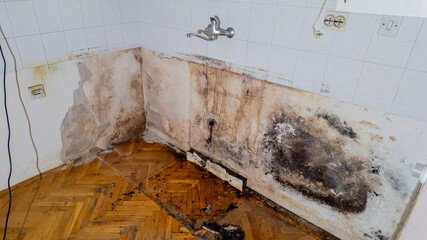
Water Damage Restoration Los Angeles
Ruptured commercial fire sprinkler lines, catastrophic washing machine hose failures, and hillside runoff following winter rain deluges require immediate mechanical extraction. We deploy industrial truck-mounted vacuum units and high-capacity submersible pumps to remove standing Category 1, 2, and 3 water from flooded subfloors, concrete slab surfaces, and subterranean garages before secondary microbial blooms ignite.
Our restoration technicians construct balanced psychrometric drying chambers utilizing Low-Grain Refrigerant (LGR) industrial dehumidifiers and directional axial air movers. By mapping thermal moisture gradients with FLIR thermal imaging cameras and non-penetrating RF meters, we monitor daily grain depression and specific humidity levels until structural wood studs fall strictly below 15% wood moisture equivalent.
- Immediate 24/7 emergency water extraction and debris cleanup
- Thermal boundary mapping and infrared moisture profiling
- Deep subfloor cavity and concrete foundation moisture mitigation
- Daily psychrometric moisture logs for property preservation
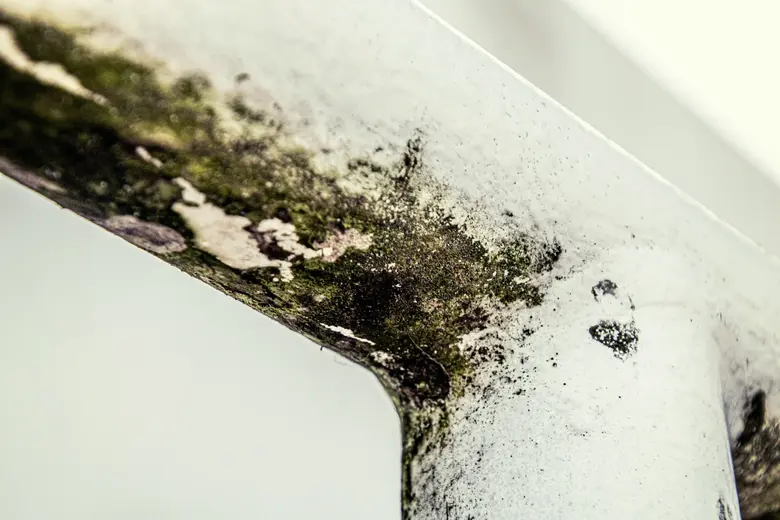
Mold Removal Los Angeles
When surface colonies manifest across drywall ceiling panels, bathroom vanity kickplates, kitchen subfloors, or window framing, superficial wiping only scatters airborne contaminants. Our specialized mold removal protocols combine direct physical elimination with hospital-grade antimicrobial wash applications that eradicate fungal hyphae without corroding building components.
Severely compromised porous drywall, acoustic ceiling tiles, and water-damaged fiberglass insulation are systematically excised and double-bagged inside heavy 6-mil poly containment bags to prevent aerosolizing active spores into living spaces. We neutralize odors at their biological origin and thoroughly decontaminate non-porous surfaces. Discover our proven remediation solutions on our primary mold removal home page.
- Hospital-grade antimicrobial sanitization treatments
- Safe disposal of contaminated porous gypsum and insulation
- Biological musty odor neutralization and framing scrub-down
- Precision HEPA vacuuming with 99.97% microscopic particulate capture
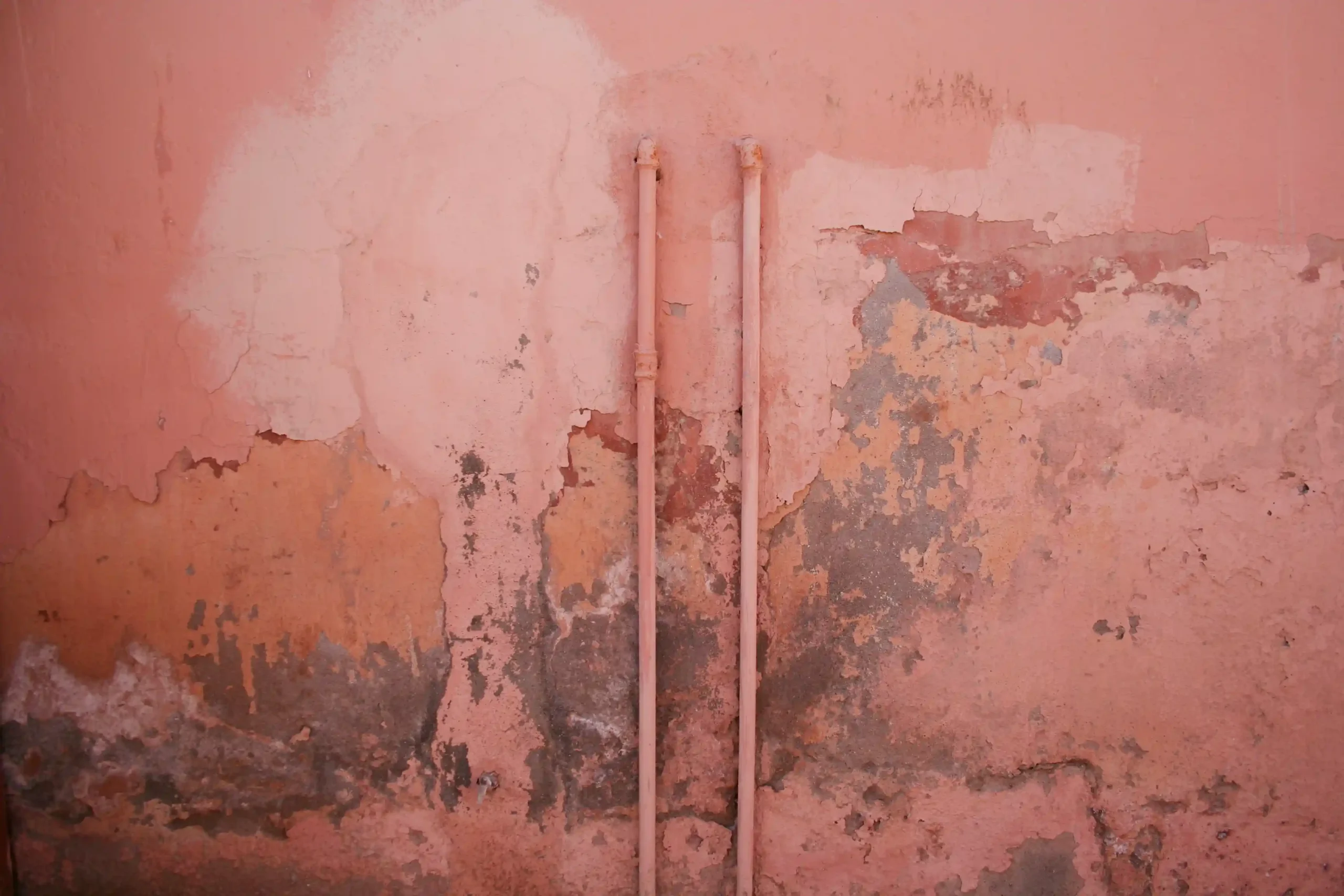
Mold Remediation Los Angeles
Structural mold remediation targets the comprehensive indoor building ecosystem rather than merely masking visual flaws. Working in compliance with ANSI/IICRC S520 guidelines, our technicians isolate contaminated containment zones using fire-retardant poly barriers sealed with heavy zipper access doors, maintaining continuous negative air pressure to safeguard unaffected rooms.
We run industrial negative air machines equipped with multi-stage HEPA filters, performing 4 to 8 full air exchanges per hour to sweep microscopic mold spores from ambient indoor air. Exposed structural framing studs are treated with EPA-registered antifungal encapsulants to halt moisture absorption and return properties to Condition 1 normal fungal ecology. Learn more about our comprehensive mold remediation protocol.
- Airtight physical poly containment and calibrated negative air pressure
- Continuous HEPA air scrubbing filtering particles to 0.3 microns
- Antifungal wood encapsulation preventing structural recolonization
- Restoration of balanced pre-loss indoor air quality benchmarks
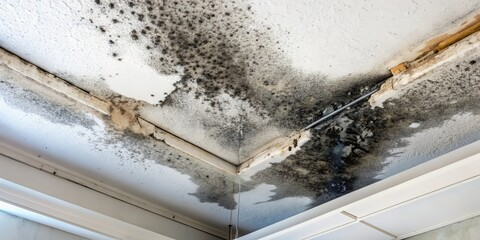
Black Mold Abatement Los Angeles
Toxic black mold (Stachybotrys chartarum) generates dangerous mycotoxins that bond to airborne particulates, presenting heightened respiratory and neurological hazards to building occupants. Often spawned by uncorrected plumbing slab leaks or long-term roof drainage failures, black mold must be handled strictly as a biological hazardous material.
We enforce strict containment protocols, deploying full personal protective gear, P100 powered respirators, and sealed decontamination chambers. We avoid dry-scraping or unregulated demolition, utilizing controlled wetting and precision negative-pressure air filtration to prevent toxic mycotoxins from circulating into building HVAC systems. Read further details on our dedicated black mold abatement services.
- Hazardous Stachybotrys chartarum isolation and safety barriers
- P100 respirator protection and controlled chamber decontamination
- Airtight double-bagged waste elimination conforming to state codes
- Complete isolation of central supply and return HVAC ducting
Our Proven Four-Step Restoration Process
Methodical execution governed by ANSI/IICRC S500 water damage mitigation and ANSI/IICRC S520 microbial remediation guidelines on every Southern California project.
Moisture Diagnostics & Thermal Mapping
We deploy FLIR high-resolution thermal imaging cameras and calibrated pinless moisture meters to detect trapped moisture behind stucco, beneath floor tiles, and within crawl spaces. By locating thermal evaporative signatures, we trace plumbing leaks without requiring invasive exploratory wall demo.
Critical Containment & Negative Pressure
Before disturbing any impacted surfaces, our team constructs airtight containment barriers using 6-mil flame-retardant polyethylene sheeting and magnetic pass-through zipper doors. Negative air machines continuously pull air through HEPA scrubbers, exhausting outdoors to shield uncompromised rooms.
Controlled Demo & HEPA Particulate Extraction
Unsalvageable water-saturated drywall, baseboards, and contaminated fiberglass batting are treated with light antimicrobial misting to suppress dust, cleanly cut away, and sealed in contractor bags. Structural framing and remaining assemblies undergo deep HEPA vacuuming capturing 99.97% of fungal particulates.
Antimicrobial Scrubbing & Clear Baseline
Exposed framing lumber is meticulously hand-scrubbed with EPA-registered antimicrobial agents, sealed with protective antifungal encapsulants, and dried using high-velocity dehumidifiers. We advocate independent third-party air clearance sampling to verify a pristine baseline before removing containment.
Why Property Owners Across Los Angeles Trust Our Team
Advanced diagnostic technology, conflict-free clearance validation, and fully itemized insurance documentation for residential homeowners and commercial asset managers.
Advanced Diagnostic Fleet
Our dedicated field vehicles carry industrial extraction machinery, FLIR infrared thermal sensors, non-invasive digital hygrometers, and negative air scrubbers ready for immediate deployment directly to your property.
No Conflict of Interest
We maintain an objective business model by never writing our own clearance passes. We partner with independent third-party environmental hygienists for unbiased mold inspection and laboratory air testing.
Direct Insurance Coordination
We compile date-stamped thermal photo logs, daily psychrometric dry-down spreadsheets, and line-item estimates formatted in Xactimate software to assist your California homeowner or commercial property claim.
Upfront, Transparent Pricing
Standard single-room remediation projects typically range from $2,000 to $3,500. We provide full written scopes of work before any demolition or extraction begins. Review our comprehensive remediation pricing guide.
Local Los Angeles Neighborhoods & Transit Corridors We Serve Daily
Our rapid response mobile crews operate directly across Los Angeles County's primary transit corridors, maintaining regular dispatch readiness along Interstate 405 (San Diego Freeway), Interstate 10 (Santa Monica Freeway), US-101 (Ventura / Hollywood Freeway), Interstate 5 (Golden State Freeway), and State Route 110 (Harbor Freeway). Whether mitigating a burst copper slab pipe in the San Fernando Valley, extracting storm water in a Westside subterranean garage, or abating hidden wall mold in a historic Downtown loft, our technicians reach your door quickly to halt secondary property loss.
Santa Monica, Venice & West LA
Fast emergency response for oceanfront condominiums, residential beach bungalows, and commercial suites along Wilshire Boulevard, Lincoln Boulevard, and Pacific Coast Highway contending with chronic marine layer dampness and subterranean basement moisture.
Downtown, Koreatown & Hollywood
Comprehensive mold remediation and precision drywall drying for high-density multi-family properties, historic buildings, and creative workspaces along Grand Avenue, Olympic Boulevard, and Sunset Boulevard affected by aging plumbing risers.
Sherman Oaks, Van Nuys & Encino
Rapid water extraction, attic mold abatement, and crawl space timber drying for single-family residences along Ventura Boulevard, Sepulveda Boulevard, and Balboa Boulevard coping with attic A/C line failures and concealed concrete slab leaks.
Pasadena, Glendale & Burbank
Specialized structural decontamination and attic timber frame restoration for historic Craftsman homes and hillside dwellings near Colorado Boulevard, Brand Boulevard, and Glenoaks Boulevard dealing with canyon storm drainage runoff.
Manhattan Beach, Torrance & Long Beach
Complete antimicrobial washing, crawl space vapor barrier installations, and black mold abatement for coastal residential homes and multi-unit residential properties along Hawthorne Boulevard, Ocean Boulevard, and Pacific Coast Highway.
Beverly Hills, Culver City & County Hubs
Immediate service coverage across West Hollywood, Beverly Hills, Culver City, Inglewood, and Studio City for luxury residential properties and commercial remediation facilities throughout the county.
Frequently Asked Questions: Los Angeles Mold & Restoration
What is the difference between simple mold removal and full mold remediation?
Mold removal is the localized act of cleaning or wiping visible fungal blooms off non-porous surfaces. Mold remediation represents a comprehensive building science intervention. Following standard ANSI/IICRC S520 guidelines, remediation identifies and corrects the underlying moisture source, seals the affected workspace behind physical plastic containment under negative air pressure, scrubs ambient air through multi-stage HEPA filtration, removes unsalvageable water-damaged drywall and insulation, and treats framing studs with EPA-registered antifungal encapsulants to permanently halt microbial recolonization.
How much does mold remediation typically cost in Los Angeles, CA?
Most residential mold remediation projects in the Los Angeles area average between $2,000 and $3,500. Small, localized containment repairs (such as remediation beneath an isolated kitchen sink or behind a laundry utility wall) typically cost between $650 and $1,500. Substantial remediation projects involving widespread crawl space moisture, whole-home HVAC duct contamination, or extensive drywall tear-outs after severe plumbing floods can range from $6,000 to $10,000 or more. Review our detailed restoration pricing guide for full line-item breakdowns.
Can I clean up toxic black mold myself using household bleach?
No. Household bleach should never be applied to porous structural materials like drywall, untreated framing lumber, subflooring, or plaster. Bleach is primarily composed of water. The chlorine chemical element stays on the surface and evaporates quickly, while the remaining water soaks deep into the porous substrate. This excess moisture nourishes the deep-seated fungal root structures (hyphae), causing the mold colony to return aggressively while agitating spores and dispersing dangerous mycotoxins into your indoor living environment.
Will my California homeowner or property insurance policy cover water damage and mold?
Most California property insurance policies cover water damage mitigation and resulting mold remediation if the underlying cause is determined to be "sudden and accidental"—such as a pressurized copper pipe rupture, water heater tank burst, or an appliance supply line failure. Coverage is frequently denied or heavily capped if the issue is attributed to long-term unresolved leaks, deferred maintenance, or external hillside floodwater rise. We provide comprehensive photo documentation and moisture tracking logs to assist with the insurance claim process.
How should Los Angeles tenants handle severe mold and water intrusion in apartments?
Under California Civil Code Section 1941.1 and the California Health and Safety Code, residential landlords are legally required to provide habitable premises free from excessive dampness and visible mold growth. Tenants experiencing persistent leaks or musty odors should notify their property manager immediately in writing with photo documentation. If building ownership fails to remediate the water intrusion promptly, tenants frequently seek assistance through the Los Angeles Housing Department (LAHD) or county health inspectors. For objective verification, professional mold testing services can establish documented ambient spore counts.
Schedule Your Los Angeles Property Restoration Assessment
Do not allow hidden plumbing slab leaks, coastal humidity, or toxic black mold colonies to degrade your indoor air quality and structural property equity. Our Los Angeles mobile response units stand ready 24 hours a day, 7 days a week to extract water, scrub ambient air, and restore your building to pristine condition.