Mold Removal Services in California for Homes & Businesses
Dealing with mold on your walls, musty odors, or moisture damage after a leak? MoldOut California offers mold removal services in California for homeowners, property managers, and businesses dealing with unwanted indoor mold growth.
From visible contamination to suspected mold behind drywall or beneath flooring, our services focus on understanding the affected materials, identifying moisture concerns, and planning appropriate mold cleanup and remediation. Get help addressing the problem before further damage develops.
Professional Mold Removal That Goes Beyond Surface Cleaning
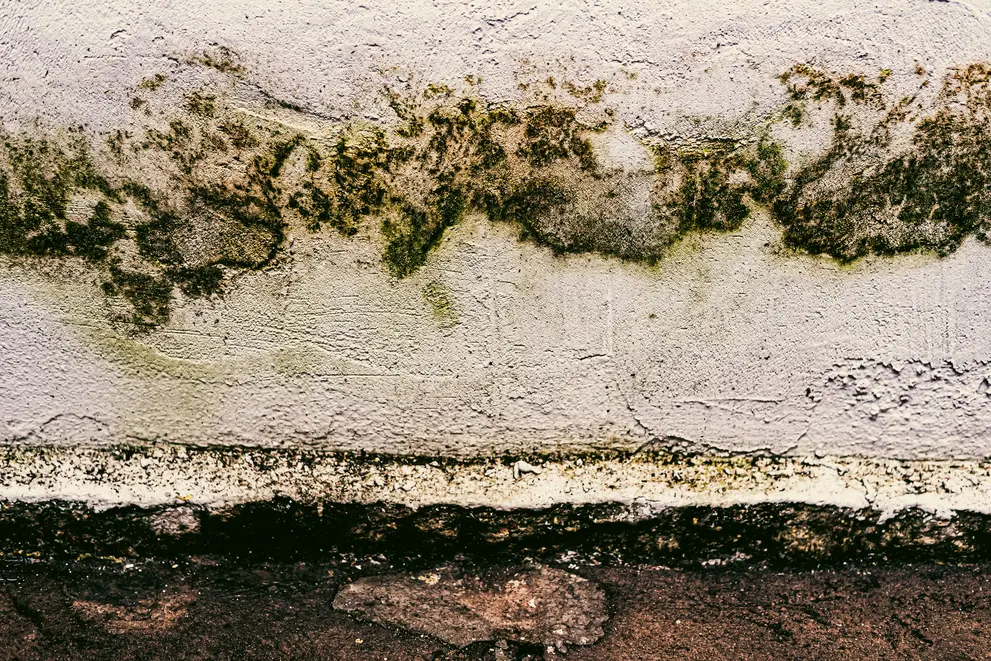
Mold grows where moisture remains on materials such as drywall, wood, insulation, and carpeting. A leaking pipe, roof intrusion, recurring condensation, or previous water damage may create the conditions for growth. Simply wiping away visible discoloration does not always resolve the problem. When moisture has reached porous materials or concealed spaces, a more thorough assessment may be necessary.
Professional mold remediation considers the extent of the affected area, the condition of building materials, and the moisture source. Depending on the circumstances, appropriate work may involve containment, HEPA vacuuming, material removal, cleaning, and drying.
The U.S. Environmental Protection Agency explains that moisture control is central to managing mold problems. Its mold cleanup guidance also helps property owners understand when professional assistance may be appropriate. Whether you're dealing with a damp basement, bathroom mold, or contamination following a plumbing leak, choosing the right approach starts with understanding the underlying conditions.
Our Mold Removal & Restoration Services
MoldOut California offers six mold-related service categories for residential and commercial properties. Explore the service that best matches your concern.
1. Mold Remediation
Mold remediation addresses unwanted indoor mold growth and the moisture conditions contributing to it. Depending on the affected area, work may include containment, cleaning suitable surfaces, removing damaged porous materials, and drying the affected space.
Our mold remediation services focus on the scope of contamination rather than treating every surface with the same method.
2. Mold Inspection
Mold is not always visible. Persistent musty odors, water stains, peeling finishes, and recurring dampness may indicate areas requiring further investigation.
A professional mold inspection helps evaluate visible conditions, moisture concerns, and areas where additional assessment or remediation may be appropriate.
3. Mold Testing
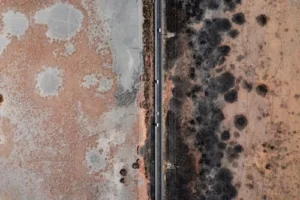
Mold testing can provide additional information when the type or extent of suspected fungal contamination requires investigation. Depending on the circumstances, this may involve air or surface sampling and laboratory analysis.
Our mold testing services are intended for situations where testing can inform the next decision. Not every visible mold problem requires sampling.
4. Black Mold Abatement
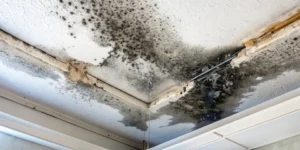
Dark mold growth on walls, ceilings, and other surfaces can be concerning, particularly when the affected materials remain damp. However, mold color alone cannot establish its species or potential effects.
Our black mold abatement page explains assessment and remediation considerations for dark-colored mold contamination, including affected porous materials.
5. Water Damage Restoration
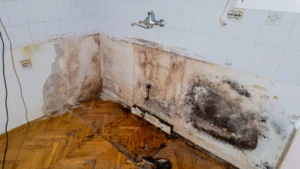
Plumbing failures, roof leaks, and appliance overflows can leave building materials damp long after surface water disappears. Prompt attention helps reduce further damage and conditions that support mold growth.
Explore our water damage restoration services for information about moisture assessment, water removal, drying, and related restoration needs.
6. Commercial Mold Remediation
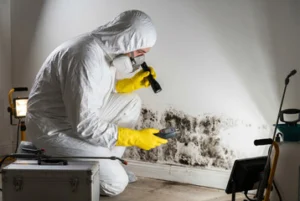
Mold problems in offices, retail spaces, rental buildings, and other commercial properties may require coordination around occupants, access, and business operations.
Our commercial mold remediation services address the planning and cleanup needs of commercial environments, with the scope determined by the affected areas and building conditions.
Why Choose MoldOut California?
When hiring a mold removal company, you need more than a promise to make visible stains disappear. Understanding what caused the problem, which materials are affected, and what the proposed work involves is essential.
Moisture-Focused Solutions
Mold and unwanted moisture are closely connected. Addressing leaks, condensation, or water intrusion is an important part of reducing the likelihood of recurring growth.
Methods Appropriate for the Materials
Drywall, structural wood, tile, carpet, and insulation require different treatment decisions. The extent of contamination and the condition of each material influence whether cleaning or removal is appropriate.
Clear Service Planning
Property owners should understand the proposed scope, limitations, and next steps before remediation begins. Clear information helps you make informed decisions about your property.
Residential and Commercial Support
From individual rooms to larger commercial spaces, mold concerns require an approach that accounts for property type, affected materials, and access needs.
Learn more about our team and the services available through MoldOut California.
Our Mold Remediation Process
Every mold problem is different, but professional remediation generally involves five important stages.
Assessment and Moisture Investigation
The process starts by evaluating the visible problem, affected materials, and possible moisture sources. Additional investigation may be appropriate where growth is suspected behind walls or beneath flooring.
Planning and Containment
The proposed work is based on the extent of contamination. Where necessary, containment barriers and appropriate work practices help limit the movement of contaminated dust and debris.
Mold Removal and Cleaning
Depending on material condition, remediation may include HEPA vacuuming, cleaning, or removing porous materials that cannot be adequately restored.
Drying and Moisture Control
Affected materials must be appropriately dried, and the underlying moisture problem must be corrected to reduce recurring growth.
Final Evaluation
Completed work can be reviewed against the agreed scope, with additional assessment or independent verification considered when appropriate.
The EPA's remediation guidance for commercial buildings explains why moisture management and appropriate cleanup practices matter.
Request Mold Remediation AssistanceCommon Mold Problems in California Properties
California buildings experience different moisture conditions depending on their location, construction, and maintenance history. Coastal humidity, seasonal rainfall, plumbing failures, and condensation can all contribute to damp building materials. Some common concerns include:
- Bathroom and kitchen mold: Moisture around plumbing, fixtures, cabinetry, and poorly ventilated areas.
- Attic mold: Roof leaks or condensation affecting roof sheathing and nearby materials.
- Crawl space and basement mold: Ground moisture, water intrusion, or damp subfloor materials.
- Drywall and ceiling mold: Water damage that may extend behind painted or finished surfaces.
- Mold after flooding or leaks: Growth associated with materials that remain wet for extended periods.
A musty odor or recurring stain does not identify the exact cause. It does, however, provide a reason to investigate the moisture conditions. For property owners facing extensive damage, combining appropriate assessment with moisture correction can help determine the next steps.
Mold Removal Locations Across California
MoldOut California provides dedicated local service information for eight major California cities. Each page focuses on mold removal considerations relevant to that location and helps visitors find information about their area.
Southern California
Mold Removal in Los Angeles
From older houses to apartments and commercial buildings, Los Angeles properties can experience mold problems related to plumbing leaks, roof intrusion, and damp interior materials.
Mold Removal in San Diego
San Diego's coastal setting and varied building types make moisture assessment important for properties affected by condensation, leaks, and previous water damage.
Mold Removal in Santa Barbara
Santa Barbara properties may encounter moisture issues involving roofing, plumbing, exterior walls, and crawl spaces. Explore local mold removal information for residential and commercial buildings.
San Francisco Bay Area
Mold Removal in San Francisco
Older wood-frame buildings, apartments, and coastal conditions can present varied moisture concerns, including damp walls, basement intrusion, and condensation.
Mold Removal in San Mateo
San Mateo homes and commercial properties can experience mold following plumbing leaks, roof problems, or persistent indoor moisture.
Central California & Coastal Communities
Mold Removal in Sacramento
Sacramento properties may develop mold concerns following seasonal water intrusion, plumbing leaks, or inadequate drying of affected materials.
Mold Removal in Fresno
Fresno property owners may encounter mold associated with water damage, plumbing failures, or condensation around cooling equipment.
Mold Removal in Santa Cruz
Santa Cruz's coastal conditions, rainfall, and varied residential construction make moisture investigation relevant when mold growth or persistent dampness appears.
Unsure whether your property is within our service coverage? Contact us with your city or ZIP code to confirm availability.
How Much Does Mold Removal Cost in California?
Mold removal pricing depends on the affected area's size, the type of materials involved, accessibility, and the work required. A small accessible area may require considerably less work than mold growing behind drywall, beneath flooring, or across several rooms.
Important quote factors include the extent of contamination, necessary containment, material removal, drying requirements, and additional assessment or testing. Because every property is different, a detailed scope is more useful than an unsupported flat-rate estimate.
Review our mold removal pricing information or request a project-specific quote.
FREQUENTLY ASKED QUESTIONS
Mold removal refers to cleaning or removing affected materials. Mold remediation takes a broader approach that considers contamination, moisture sources, appropriate cleanup, and conditions that could allow growth to return.
Not necessarily. EPA guidance indicates that small areas under approximately 10 square feet can often be handled by homeowners under suitable conditions. Larger problems, extensive water damage, or difficult-to-access contamination may require professional help.
No. When visible mold is present, sampling is not always necessary. Testing may be useful in particular situations, but its purpose should be established before arranging it.
The duration depends on the size of the affected area, materials involved, moisture conditions, and required work. Projects involving extensive removal, drying, or reconstruction may take longer.
Yes. Mold can develop again if leaks, dampness, or other moisture conditions remain unresolved. Controlling moisture is central to reducing recurring growth.
Coverage depends on the insurance policy and cause of the damage. Certain water-related losses may qualify under applicable terms, while exclusions or limits may apply. Contact your insurer for a decision about your coverage.
Yes. When applying antimicrobials, we utilize EPA-registered and non-toxic botanical products designed for indoor residential spaces, ensuring safety for both occupants and pets.
Signs of hidden mold include a persistent musty odor, warped or bubbling drywall, unexplained peeling paint, and soft spots on the wall. A professional moisture inspection can verify hidden growth without tearing down the wall.
To avoid a conflict of interest, we highly recommend an independent, third-party industrial hygienist to perform Post-Remediation Verification (PRV) clearance testing once our work is complete, ensuring objective confirmation of safety.
In most minor localized cases, occupants can remain safely in the home outside the containment zone. However, temporary relocation may be recommended during widespread structural tear-outs or extensive toxic mold abatement.