Mold Removal in San Francisco
24/7 Emergency Response
Fast, Safe, and Scientifically Proven Fungal Mitigation
Discovering indoor fungal growth is stressful, but reclaiming your air quality requires a highly structured process. We provide comprehensive residential and commercial cleanup for the Bay Area, utilizing deep HEPA filtration and negative air containment to physically extract airborne spores and eliminate the source of moisture.
We do not just look at the problem—we surgically remove it. Operating strictly under IICRC S520 guidelines, our rapid-response teams are available 24/7/365 to halt the spread of toxic growth in your property without cross-contaminating your clean living spaces.
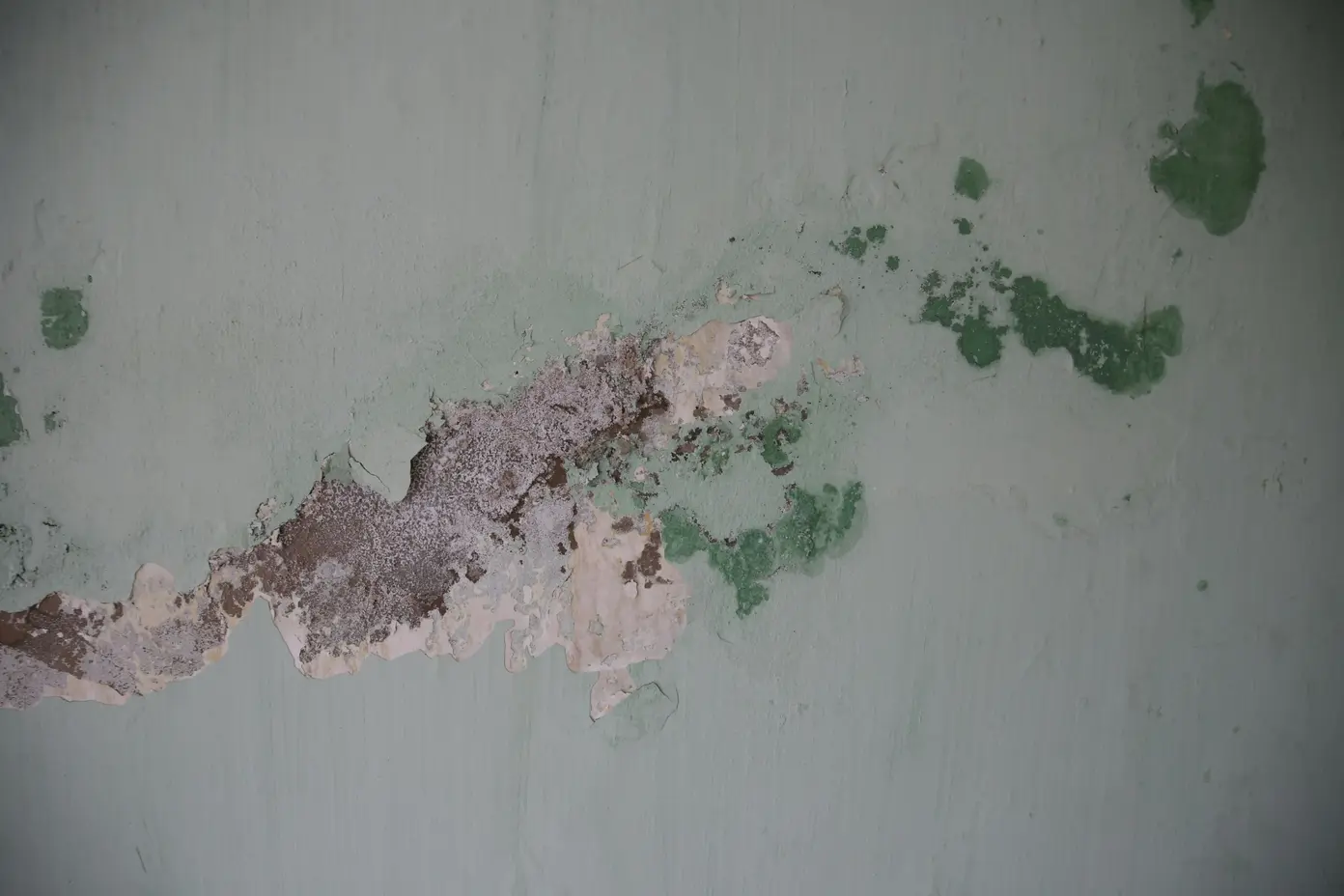
We Remove Mold, We Don't Just Test For It
A major point of confusion for property owners is distinguishing between home inspectors who merely point out a problem and dedicated restoration experts who physically solve it. We provide complete, end-to-end mold remediation. This means we handle the initial visual inspection, set up negative air containment, perform the physical demolition of ruined materials, run industrial HEPA scrubbers, and facilitate final clearance validation.
Our 3-Step Emergency Flow
When you discover microbial growth or suffer unexpected water damage, every hour counts. We offer around-the-clock emergency dispatch with an under-60-minute response time across San Francisco County.
- 1. Call: Our local dispatch gathers details on your water intrusion, leak, or visible mold issue, initiating immediate response protocols.
- 2. Inspect: Our technicians arrive on-site with thermal imaging and pinless moisture meters to pinpoint the exact perimeter of the fungal growth without unnecessary demolition.
- 3. Remediate: We immediately deploy physical containment barriers and HEPA air scrubbers to stabilize your indoor air quality before surgical removal and structural drying begins.
Why Mold Thrives in San Francisco Properties
The Marine Layer & Historic Architecture
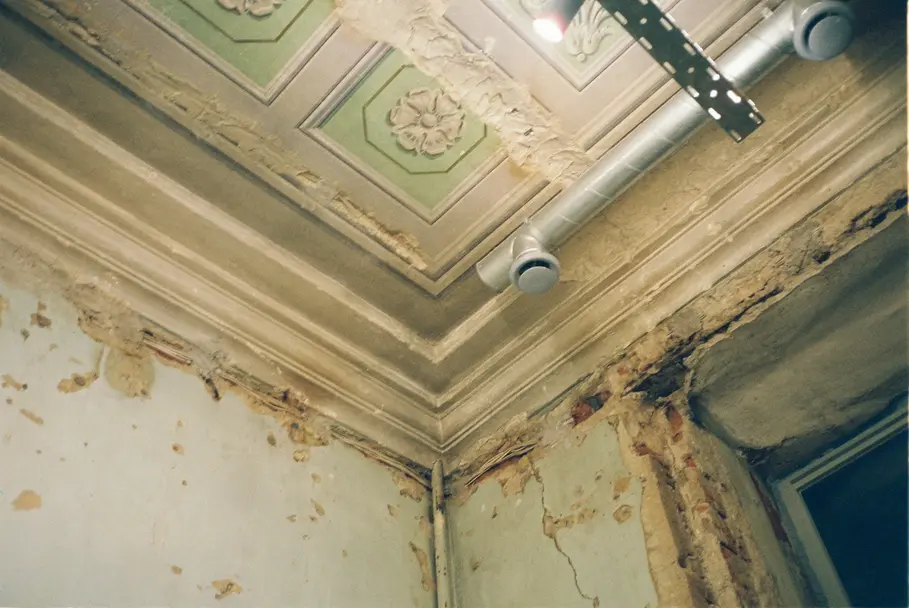
San Francisco's unique climate creates a "continuous growing season." Fungal spores thrive between 60°F and 80°F—the exact year-round temperature range of the Bay Area. The city is famous for its dense coastal fog and marine layer. This persistent airborne moisture settles on exterior surfaces and heavily influences indoor humidity, easily pushing it above the 60% danger threshold.
Compounding this environmental factor is the city's aging housing stock. A vast portion of our Victorian and Edwardian homes still rely on single-pane windows that act as condensation magnets during cool nights and warm days. Many of these older buildings lack modern exhaust fans in bathrooms and kitchens, allowing everyday steam to remain trapped and feed microscopic spores.
The Threat of Stachybotrys chartarum
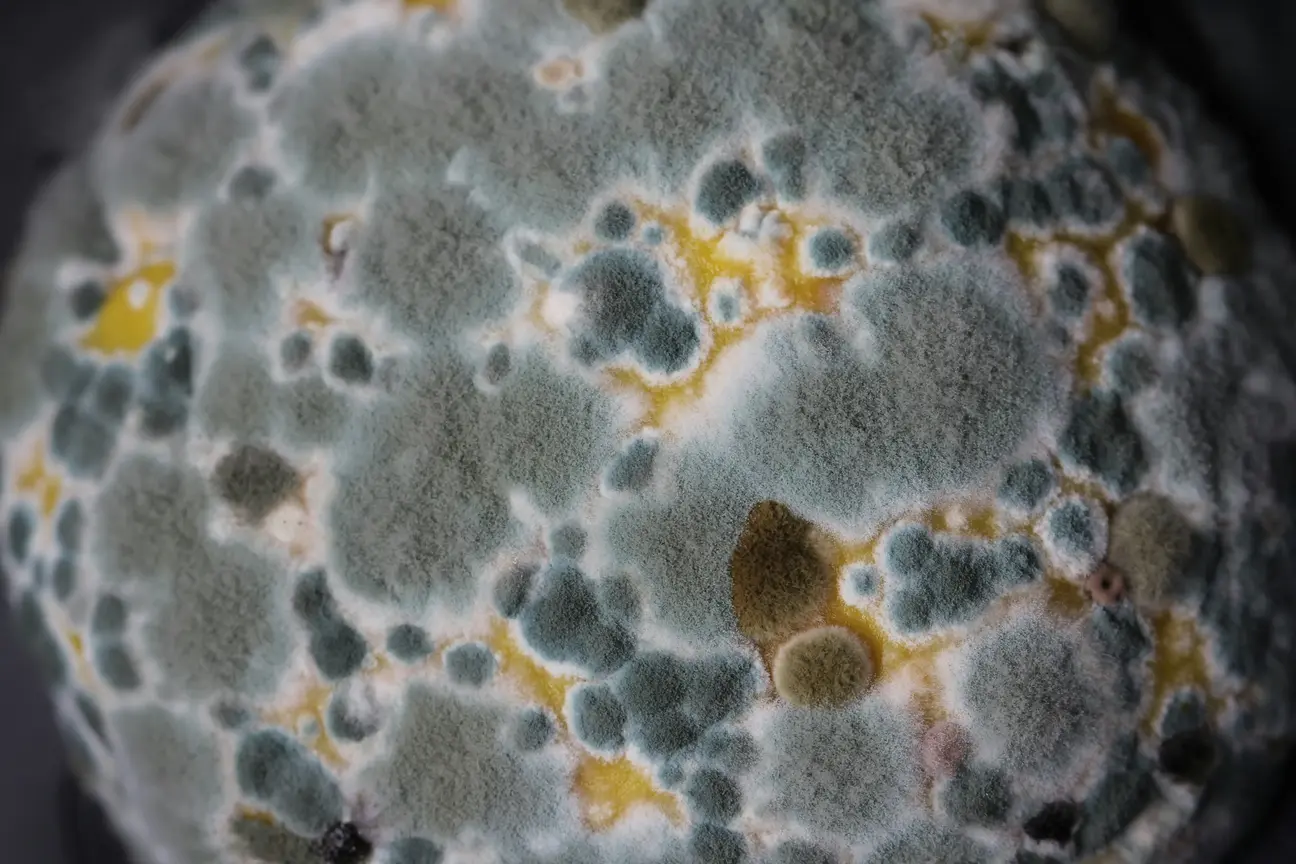
When atmospheric river winter storms overwhelm outdated roof drainage or cause window seal failures, the subsequent dampness often breeds toxic black mold. Stachybotrys chartarum feeds aggressively on saturated drywall backing and structural wood framing. Because exposure is heavily linked to severe respiratory distress, chronic headaches, and asthma aggravation, DIY bleach cleanups are completely ineffective. Professional extraction is the only safe solution.
Local Nuance: Serving San Francisco's Unique Neighborhoods
Different districts face entirely different moisture challenges. With a decade of experience operating directly within San Francisco, we understand exactly how hyper-local microclimates drive fungal colonization.
Heavy Fog Exposure
Bordering the Pacific Ocean, the Sunset and Richmond districts are heavily blanketed by coastal fog. Homes here suffer from relentless airborne moisture that seeps into porous materials, making poorly ventilated bathrooms and unvented crawl spaces highly susceptible to ongoing, recurrent fungal outbreaks.
Groundwater Intrusion
Situated on reclaimed land with a very high water table, beautiful Marina properties frequently battle damp coastal air combined with groundwater issues. We discreetly resolve hidden moisture problems in high-end ground-floor living areas, foundations, and luxury garages.
Aging Plumbing Systems
Though sunnier than the coast, the Mission relies heavily on century-old Victorian and Edwardian structures. Outdated plumbing infrastructure inevitably leads to hidden pipe leaks. Over decades, this trapped moisture harbors dense, toxic colonies behind plaster walls and subfloors.
Historic Vulnerabilities
These massive, sprawling luxury homes mask slow roof leaks and basement water intrusions exceptionally well. We utilize advanced thermal imaging to pinpoint the exact location of moisture behind walls without destroying or compromising the property's historic architecture.
Multi-Unit Complexity
Nob Hill apartment buildings frequently share outdated plumbing lines, while SoMa converted lofts and high-rises often lack standard residential cross-ventilation. We expertly manage tenant/landlord disputes by eliminating condensation-driven problems in densely packed multi-family buildings.
Indoor Condensation
Populated heavily by families in renovated older properties, extreme temperature fluctuations between cool Bay Area nights and warm days cause severe window sweating. We protect sensitive indoor air quality from the molds bred by this persistent, daily dampness.
Our 6-Step Eradication Process
The presence of fungal growth requires a methodical, scientific approach to ensure it does not spread further. We deploy comprehensive services spanning diagnostic inspections to final clearance.
Diagnostic Moisture Mapping
We utilize pinless moisture meters and infrared thermal cameras to locate the exact source of water intrusion behind your walls, beneath your subfloor, or within your HVAC ductwork, defining the true scope of the structural damage.
Negative Air Containment
We seal off the affected zone using heavy 6-mil polyethylene plastic sheeting and establish negative air pressure. This guarantees that microscopic spores disturbed during the demolition phase cannot drift into clean areas of your property.
HEPA Air Filtration
Commercial air scrubbers run continuously, cycling the ambient air through true HEPA filters. This mechanically pulls 99.97% of airborne spores and harmful mycotoxins out of your breathable air while our teams work.
Surgical Material Removal
Porous building materials (like saturated drywall, carpeting, and ceiling tiles) cannot be salvaged once mycelium roots take hold. We safely cut out and double-bag these contaminated elements for proper and safe disposal.
Antimicrobial Cleaning & Scrubbing
Solid structural wood framing that remains is vigorously HEPA vacuumed and treated with EPA-registered antimicrobial solutions. This eliminates the deep root systems within the wood grain and eradicates lingering musty odors.
Structural Drying & Lab-Verified Clearance
We deploy industrial dehumidifiers to thoroughly dry the framework. Once the wood reaches safe moisture content levels, independent third-party testing verifies the complete eradication of spores, giving you guaranteed peace of mind before reconstruction.
Solutions for Landlords, Property Managers & Cost Factors
San Francisco maintains highly stringent housing and public health regulations. Under California Civil Code § 1941.1, landlords are bound by the Implied Warranty of Habitability, classifying dampness and visible mold as a substandard condition. Furthermore, San Francisco Health Code Article 11, Section 581 explicitly classifies visible or demonstrable mold as a "public health nuisance".
Failure to remediate rapidly leaves property owners liable for tenant relocation costs and habitability lawsuits. We provide discrete, expedited services for multi-unit apartment cleanups. Our comprehensive written reports and lab-verified clearance documents provide the exact legal proof you need to resolve tenant disputes and close out city code violations successfully.
Insurance Claims & Estimate Factors
Most homeowner insurance policies cover professional mitigation if the microbial growth results from a sudden, accidental, and covered water event (like a burst pipe or sudden appliance failure), though they generally exclude long-term maintenance neglect. We assist our clients by providing meticulous documentation, moisture logs, and photographic evidence to support your insurance adjuster directly. Project estimates are driven entirely by the square footage affected, the location complexity (e.g., inside HVAC ductwork versus a simple bathroom vanity), and the required extent of structural demolition.
San Francisco Mold Eradication FAQs
What factors determine the total cost of a project?
Project scale depends heavily on the total square footage of the affected zone. A minor isolated spot under a kitchen sink requires far less labor and containment than a flooded multi-room basement. Variables include whether the contamination has breached the HVAC system, how much porous drywall requires physical demolition, and the necessity of structural drying equipment over multiple days.
Why is toxic black mold considered so dangerous?
Stachybotrys chartarum (black mold) releases microscopic mycotoxins into your breathable air as a defense mechanism. When inhaled, these particulates can trigger severe allergic reactions, respiratory irritation, and significantly exacerbate asthma symptoms, especially in children and immunocompromised individuals. It demands professional negative-air containment to remove safely without spreading the spores.
How long does the mitigation process typically take?
Standard residential projects generally span 3 to 7 days. Setting up negative air barriers and safely cutting away the ruined materials usually takes 1 to 2 days. The remaining duration involves running high-capacity commercial dehumidifiers and air scrubbers to achieve complete structural drying before final clearance testing can be conducted and reconstruction can begin.
Can I just clean the mold myself using bleach?
No. Bleach only removes the surface stain on non-porous surfaces; it does not kill the deep root structure (mycelium) embedded within porous materials like drywall, plaster, or wood. Applying bleach often introduces more water, exacerbating the problem. For any area larger than 10 square feet, the EPA strongly advises utilizing professional extraction to prevent hazardous cross-contamination.
Who is responsible for an outbreak—the landlord or the tenant?
Under strict San Francisco housing codes, property owners are responsible for remediating the growth and ensuring habitability. If the dampness stems from a leaking roof, exterior envelope failure, or plumbing defect, the landlord must correct the source and extract the mold. Tenants are generally only held liable if the growth is proven to result directly from extreme housekeeping neglect or failing to report a known plumbing leak for an extended period.
What exactly is clearance testing and do I need it?
Clearance validation involves an independent third-party industrial hygienist sampling the indoor air quality after our mitigation is complete. The laboratory analyzes the samples to verify that indoor spore counts have returned to normal, safe outdoor baseline levels. This provides the crucial legal proof that the property is healthy and safe to occupy, which is vital for real estate transactions and landlord liability protection.