Mold Testing Services
When musty odors spread through living spaces, water lines rupture, or occupants experience chronic indoor discomfort, professional laboratory sampling provides direct clarity. Mold Out California collects calibrated air samples, wall cavity captures, and surface lifts across California properties. We submit all samples directly to third-party AIHA-accredited laboratories to identify fungal species and measure airborne spore concentrations.
What is Mold Testing?
Mold testing is an environmental investigation that measures microscopic fungal spore counts in indoor air and pinpoints specific fungal species growing on structural assemblies. While visual assessments locate surface staining, testing answers the scientific questions: What types of mold spores are occupants breathing? Are concentrations higher indoors than outside? Have hidden mold colonies colonized subfloors, ceiling cavities, or HVAC ductwork?
Professional testing relies on calibrated equipment and rigorous chain-of-custody protocols. Field specialists pull exact air volumes through specialized cassettes, take direct surface swabs, and collect non-viable lift tapes. These samples go directly to independent microbiology laboratories. Analytical microscopists count spores per cubic meter (spores/m³) and identify genera such as Aspergillus, Penicillium, Cladosporium, and Stachybotrys chartarum.
Testing must never rely on guesswork. High humidity, roof leaks, or historical plumbing problems leave moisture reservoirs inside wall cavities. When unaddressed, elevated spore loads circulate through return vents, contaminating living zones. Coupling diagnostic sampling with full forensic mold inspection services creates an accurate profile of your indoor air quality. If laboratory reports confirm active contamination, our complete restoration catalog guides targeted corrections.
Types of Mold Testing We Offer
Atmospheric & Structural Sampling
We calibrate electric vacuum pumps to draw 15 liters of air per minute across a sticky glass slide for a set time window. This non-viable sample collects both viable and non-viable mold spores. Comparing indoor rooms against outdoor baseline controls shows whether the building maintains normal fungal ecology or suffers from indoor amplification.
Plumbing leaks and exterior roof penetrations often hide fungal blooms behind drywall. We drill a tiny 3/8-inch penetration above baseboards, insert a specialized surgical tubing probe, and pull air directly from inside the framing bay. This isolates hidden mold without tearing down unaffected drywall.
Forced-air air conditioning units and ductwork gather condensation and dust, creating prime territory for spore colonies. We evaluate supply registers, return plenums, and evaporator coil drip pans to ensure mechanical blowers are not circulating contaminants across commercial and residential rooms.
Surface, Dust & Advanced Diagnostics
When distinct discoloration appears on baseboards, joists, or subfloors, direct surface sampling confirms whether discoloration stems from active hyphal growth or mineral efflorescence. Optical microscopy identifies the genus, density, and sporulating structures across building materials.
Environmental Relative Moldiness Index (ERMI) and HERTSMI-2 testing analyze settled dust via quantitative polymerase chain reaction (qPCR). The lab analyzes DNA signatures of 36 specific mold species, producing a historical record of mold contamination across the property.
The Environmental Mold and Mycotoxin Assessment (EMMA) combines qPCR species testing with enzyme-linked immunosorbent assay (ELISA) technology. This specialized panel detects both fungal bodies and toxic secondary metabolites like ochratoxins, aflatoxins, and trichothecenes.
When Do You Need Mold Testing Services?
Pervasive Musty Odors
Microbial volatile organic compounds (mVOCs) produce earthy odors. If a room smells damp with no visible growth, air testing identifies the airborne spore counts.
Past Water Damage
Following a burst supply line, slab leak, or roof intrusion, structural moisture triggers mold within 48 hours. Testing confirms if drying prevented secondary growth.
Real Estate Due Diligence
Buyers and investors order independent mold sampling alongside home inspections to uncover hidden environmental liabilities before closing escrow.
Clearance Verification
Following structural remediation, post-remediation clearance testing proves air scrubbers cleared airborne spore levels down to normal clean baselines.
Our Scientific Mold Testing Process
Intake & History
We review the building history, previous pipe bursts, roof maintenance logs, and areas where occupants notice musty odors or physical reactions.
Infrared Mapping
Technicians use FLIR thermal imaging cameras and non-invasive moisture meters to detect cold evaporative pockets and hidden dampness inside walls.
Outdoor Control
We pull a baseline air sample outdoors. This establishes natural background spore levels for comparison against indoor samples under local weather conditions.
Targeted Sampling
We place Air-O-Cell cassettes at breathing height, collect wall cavity captures, and lift surface tapes from suspected structural framing.
AIHA Lab Analysis
Samples travel under strict chain-of-custody documentation to an accredited microbiology laboratory for microscopic optical analysis or qPCR identification.
Actionable Report
We deliver an easy-to-read report detailing spore counts per cubic meter, species classifications, and next-step mitigation recommendations.
Understanding Your Mold Test Results
Laboratory analytical reports contain scientific data that requires thoughtful interpretation. Federal agencies like the EPA and OSHA have not established a single universal numerical threshold for indoor mold. Instead, environmental professionals evaluate indoor spore concentrations by comparing indoor samples directly to the outdoor control sample.
In a healthy building, indoor spore concentrations should reflect or remain lower than outdoor levels, showing a similar species distribution. Common outdoor molds like Cladosporium often enter through doors and open windows in low amounts. However, when indoor air samples reveal elevated levels of water-indicator species like Chaetomium or Stachybotrys chartarum, active fungal colonization is underway. Even low spore counts of these heavy toxigenic molds point to moisture reservoirs, because their wet spores rarely become airborne unless disturbed.
If your final laboratory report shows indoor spore amplification or reveals active fungal colonization, you should take corrective action immediately. Physical containment and engineering controls outlined in our mold remediation protocol stop cross-contamination. For hazardous toxigenic molds, specialized black mold abatement removes the fungal mass safely. Learn more about our background on our company story page.
Why Property Owners Trust Mold Out California
Accredited Labs
We analyze all samples through independent, third-party AIHA-accredited laboratories for defensible, impartial findings.
Modern Equipment
We combine calibrated bioaerosol vacuum pumps with FLIR infrared thermal cameras to diagnose mold and moisture accurately.
Fast Turnaround
Standard laboratory results arrive within 48 to 72 hours, with emergency same-day and 24-hour rush processing available.
Clear Remediation Scopes
When tests identify contamination, we build clear scopes of work that follow IICRC S520 remediation guidelines.
Related Environmental Restoration Services
Mold Inspection
Forensic visual evaluations and deep moisture mapping to track hidden plumbing leaks and water intrusion across structures.
Explore Inspection →
Mold Remediation
Containment barriers, negative air scrubbers, and botanical treatments to safely eliminate indoor mold colonization.
Explore Remediation →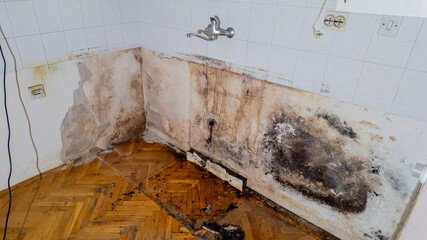
Water Damage Restoration
Emergency water extraction, structural psychrometric drying, and dehumidification to prevent secondary fungal growth.
Explore Water Damage →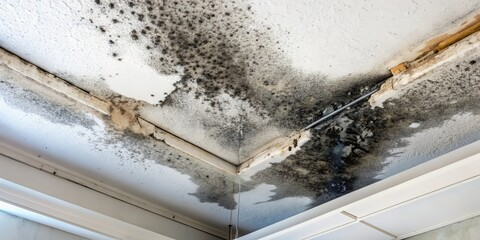
Black Mold Abatement
Targeted hazardous containment to safely eliminate dangerous Stachybotrys chartarum and mycotoxins from building materials.
Explore Black Mold →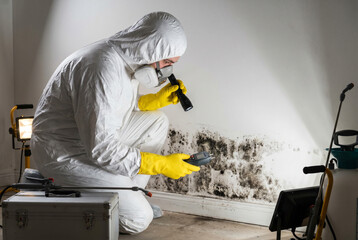
Commercial Remediation
Scalable environmental solutions for office complexes, medical clinics, schools, and multi-family residential communities.
Explore Commercial →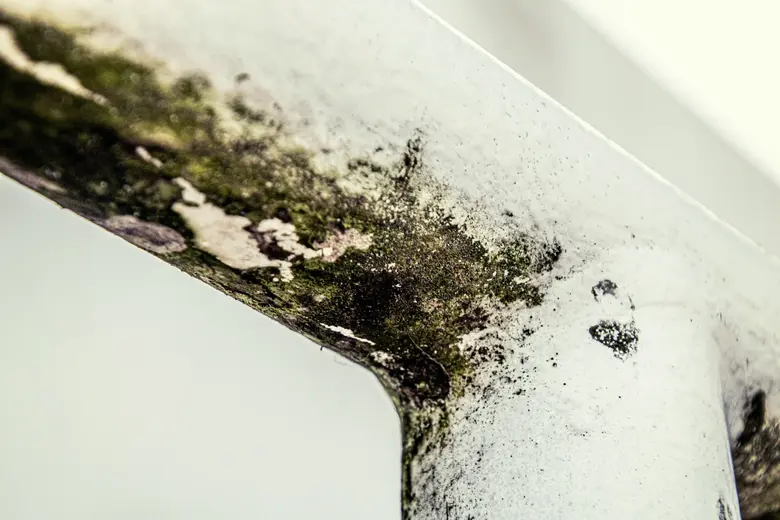
Complete Mold Removal
Physical extraction of contaminated porous materials and abrasive timber cleaning to restore clean indoor air quality.
Explore Mold Removal →Frequently Asked Questions
What is the difference between a mold inspection and mold testing?
A mold inspection is a physical examination of a building using visual assessment, moisture meters, and thermal cameras to identify moisture leaks and active fungal colonization. Mold testing collects physical air, surface, or cavity samples for analysis by an accredited microbiology laboratory to measure exact spore concentrations and fungal species.
Why are DIY home test kits unreliable compared to professional laboratory sampling?
Over-the-counter DIY settle plates lack calibrated air pumps and fail to collect an outdoor baseline control. Mold spores naturally exist in all ambient air. When a petri dish sits open, common non-threatening airborne spores settle and grow, which creates false alarms. Professional testing uses calibrated volumetric pumps and accredited laboratory microscopists to quantify exact spores per cubic meter.
How long does it take to get laboratory mold test results?
Standard laboratory turnaround times run between 48 and 72 business hours after the lab receives the physical samples. Emergency same-day and 24-hour rush processing are available when real estate escrow deadlines or urgent water damage situations demand immediate answers.
Why is an outdoor control sample necessary during mold air testing?
Because mold exists naturally in outdoor environments, no universal numerical standard defines a "toxic" level. The outdoor baseline sample shows the natural fungal concentration and species mix on the day of testing. Comparing indoor rooms to this outdoor baseline proves whether indoor fungal growth is amplified.
What is post-remediation clearance testing (PRV)?
Post-remediation verification is environmental testing performed after mold cleanup is finished, while containment barriers remain active. Clearance air sampling proves that fungal spore levels inside the work area match or beat clean reference areas and that all mold dust has been safely captured by HEPA filtration.
How much do professional mold testing services cost?
Residential mold testing costs typically range between $350 and $650, which generally includes the physical inspection, thermal imaging moisture mapping, an outdoor control sample, and primary indoor air samples. Specialized DNA panels such as ERMI or mycotoxin assays require additional laboratory analysis fees. Check our transparent pricing guide for details.
Verify Your Indoor Air Quality With Laboratory Precision
Schedule certified laboratory mold sampling with Mold Out California. Our field teams evaluate moisture intrusion, collect calibrated air and surface samples, and deliver actionable laboratory reports.