Mold Remediation Services
When moisture stays trapped behind drywall, under flooring, or inside crawlspaces, mold colonies spread quickly. Mold Out California stops active growth at the roots. We deploy sealed physical containment, commercial negative air scrubbers, and strict ANSI/IICRC S520 protocols to return your indoor air to safe fungal ecology.
What is Mold Remediation?
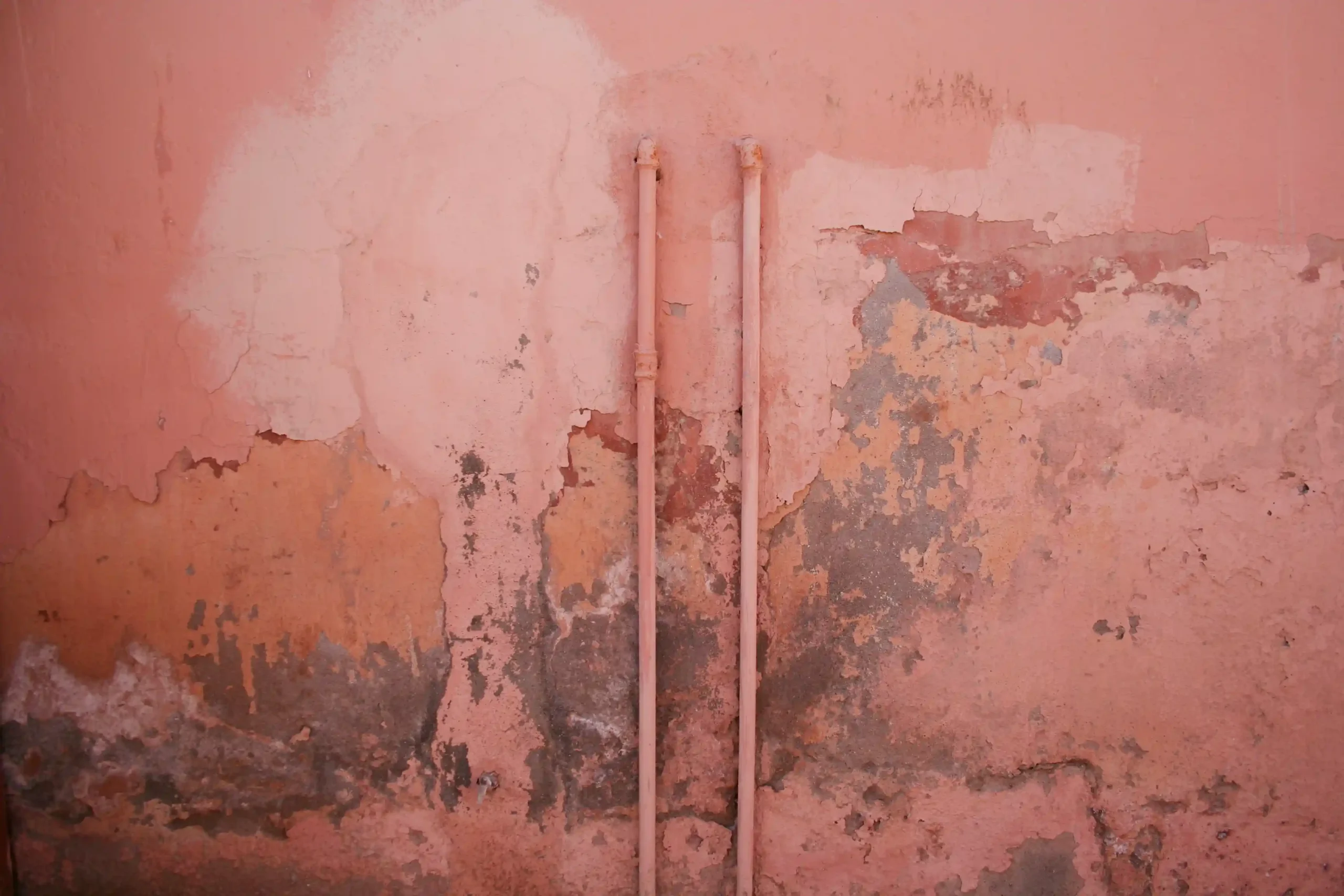
Mold remediation is the process of locating, isolating, and safely removing indoor fungal growth while cleaning the air to return the property to a healthy condition. It is much more than simple cleaning. Spraying bleach or wiping a wall only removes the color on the surface. Mold grows root-like branches called hyphae. These hyphae push deep into porous drywall, wood framing, and subfloors.
True remediation treats the entire environment. If a technician scrubs mold without negative air pressure, millions of invisible spores fly into the air. These spores travel through hallways and get sucked into air ducts, settling in clean rooms. Professional mold remediation services combine physical containment barriers, HEPA air filtration, safe material tear-out, and EPA-registered antimicrobial washes.
Every successful project also resolves the underlying water source. Mold spores require moisture to germinate and spread. Whether water came from an unaddressed pipe leak or an emergency requiring water damage restoration, our crews trace water pathways to ensure the problem does not return. For a look at our complete range of capabilities, browse our full environmental restoration catalog.
Mold Contamination Conditions (ANSI/IICRC S520 Standards)
Fungal Ecology Levels (IICRC S520)
Represents a normal, healthy indoor environment. Airborne fungal spores and settled dust match the types and ratios found in clean outdoor air. Every healthy home has trace spores. No active growth or indoor water amplification exists under Condition 1.
An indoor space contaminated with settled spores or trace growth that drifted from an active mold area. The building materials themselves may not have deep hyphal roots yet. This condition requires HEPA vacuuming, air scrubbing, and damp wiping to stop it from taking root.
Actual visible or hidden fungal growth actively colonizing building materials. Spores germinate, release mycotoxins, and break down organic materials. Condition 3 demands full containment, negative air pressure, and safe removal of ruined materials, especially when handling hazardous black mold abatement.
Material Porosity & Remediation Action
Materials like drywall, acoustic ceiling tiles, fiberglass insulation, and carpet cushion absorb water quickly. Mold mycelium grows deeply into the matrix. Surface wiping cannot reach these embedded roots. These materials must be cut out and discarded inside sealed 6-mil poly bags.
Includes structural wall framing, Douglas fir studs, plywood subflooring, and concrete slabs. Mold can grow on the surface and penetrate shallow layers. Technicians can save these materials using HEPA wire-brushing, media blasting, and antimicrobial sealants without structural demolition.
Solid surfaces like glass, metal ductwork, glazed ceramic tile, and porcelain plumbing fixtures do not absorb water. Mold cannot push roots into these materials. They are fully restored through thorough HEPA vacuuming and biocidal contact washes without material removal.
Our Complete Mold Remediation Process
Moisture Mapping
We use infrared cameras and penetrating pin meters to find trapped moisture pockets behind walls before disturbing a single stud. Detailed mold inspection services outline the full scope of damage.
Containment Setup
Crews build airtight containment walls using 6-mil poly sheeting and zipper doors. We seal off all HVAC supply vents and return grilles to keep spores from moving to unaffected rooms.
Negative Air Pressure
We set up industrial air machines that vent outside the structure. This vacuum effect pulls clean air into the work zone and stops contaminated air from escaping into living areas.
Selective Demolition
Workers carefully cut out contaminated drywall, ruined insulation, and damaged flooring. Every piece is bagged in heavy 6-mil plastic and wiped clean before removal from the building.
HEPA Abrasion & Wash
We vacuum all exposed wood framing with true HEPA systems. Technicians then wire-brush structural lumber and apply EPA-registered botanical antimicrobials to eliminate lingering fungal roots.
Clearance Verification
Once dry, an independent third-party tester gathers air and surface samples. Strict mold testing services confirm that spore counts meet normal Condition 1 levels before containment comes down.
Common Causes of Mold Growth We Handle
Concealed Plumbing Leaks
Slow pinhole leaks in aging copper lines, loose drain fittings, and slab leaks that quietly soak wall framing and subfloors for weeks.
Crawlspace Humidity
Unsealed dirt crawlspaces that draw high ground moisture upward, creating wood rot and heavy fungal blooms under first-floor living spaces.
Roof & Window Leaks
Wind-driven rains penetrating broken roof tiles, degraded exterior stucco, and unsealed window frames during seasonal California storms.
HVAC Condensation
Clogged air conditioning condensate pans, uninsulated ductwork sweating in hot attics, and mold spreading directly through forced-air ventilation.
Remediation Equipment & Field Technology
HEPA Air Scrubbers
Commercial filtration units operating 24/7 inside the containment area to capture 99.97% of airborne spores down to 0.3 microns.
Negative Air Machines
High-volume exhaust fans that create inward airflow, ensuring disturbed dust and spores cannot leak out into adjacent living spaces.
Thermal Infrared Imagers
High-resolution FLIR cameras that detect subtle temperature differences caused by hidden evaporative cooling behind painted walls.
Penetrating Moisture Meters
Direct-pin resistance meters that calculate Wood Moisture Equivalent (WME) to confirm framing is completely dry before sealing.
Why Property Owners Trust Mold Out California
ANSI/IICRC S520 Protocols
Every containment boundary, airflow rate calculation, and cleaning protocol follows established industry environmental standards.
Independent Clearance
We work with third-party testing labs. We never sign off on our own clearance, providing unbiased proof of clean air.
Rapid Mobilization
Our service vehicles arrive fully equipped with containment materials, air scrubbers, and extractors to stop active spore spread.
Building Science Focus
We eliminate the fungal colonies and correct the moisture source. Learn more about our background in building science recovery.
Related Environmental Restoration Services
Mold Inspection
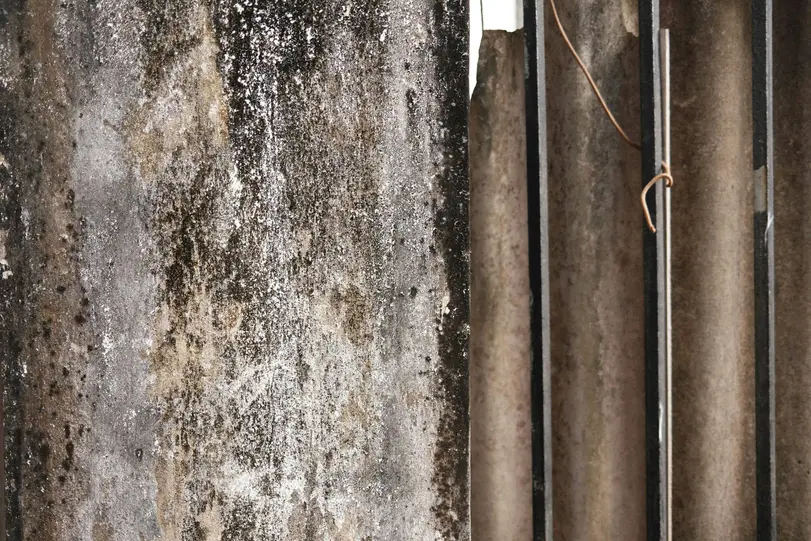
Non-destructive moisture tracking and thermal scans to locate concealed leaks inside ceilings, wall cavities, and crawlspaces.
Explore Inspection →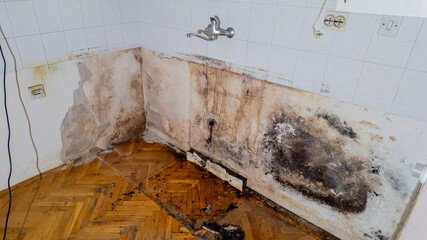
Water Damage Restoration
Rapid liquid extraction, structural drying, and moisture stabilization to stop mold growth before it starts.
Explore Water Damage →
Mold Testing
Accurate indoor air sampling and surface tape lifts evaluated through independent accredited microbiology laboratories.
Explore Mold Testing →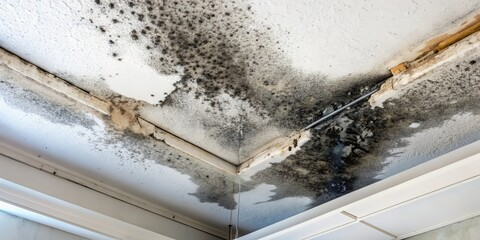
Black Mold Abatement
Heavy containment protocols to safely isolate and remove dangerous Stachybotrys chartarum and mycotoxin contamination.
Explore Black Mold →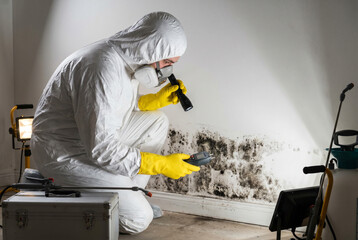
Commercial Remediation
Large-scale environmental restoration designed for commercial complexes, warehouses, medical offices, and schools.
Explore Commercial →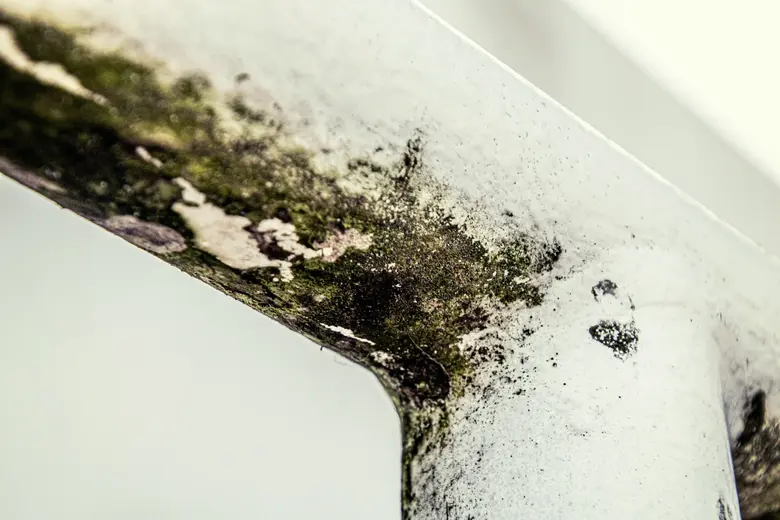
Mold Removal Services
Browse our complete system of source extraction, indoor air quality restoration, and property protection.
View Mold Removal →Frequently Asked Questions
What is the difference between mold removal and mold remediation?
Mold removal simply refers to wiping away visible mold colonies from surfaces. Mold remediation is a comprehensive environmental process. It identifies the water intrusion source, sets up negative air containment to stop spores from spreading, removes porous contaminated building materials, treats structural framing with antimicrobials, and cleans indoor air back to normal fungal ecology.
How long does a typical mold remediation project take?
Most residential projects take between 1 and 5 business days. A contained bathroom or small laundry room project often wraps up in 24 to 48 hours. Larger projects involving extensive drywall removal, multiple rooms, or crawlspace encapsulation can take up to a week. The timeline depends heavily on how much structural drying is required before rebuilding.
Can I remain in my home during the remediation process?
In most cases involving minor containment, you can comfortably stay in your home. Our technicians isolate the work area with plastic barriers and maintain negative air pressure, keeping dust and spores completely inside the containment. However, if mold spans multiple common rooms, the main kitchen, or inside the central HVAC system, we may recommend staying elsewhere for a few days.
Why is household bleach ineffective for eliminating mold on wood and drywall?
Household bleach contains mostly water and weak chlorine. On non-porous surfaces like porcelain, it can sanitize the top layer. But on porous surfaces like wood and drywall, the chlorine cannot penetrate. It evaporates into the air quickly while the water soaks directly into the drywall or wood fibers, providing fresh moisture that feeds the fungal roots beneath.
Does property insurance cover professional mold remediation?
Insurance coverage depends on what caused the moisture. Most policies cover mold remediation if it directly resulted from a sudden and accidental covered loss, such as a burst supply line or failed water heater. Mold caused by deferred maintenance, unaddressed continuous leaks, or high ambient humidity is typically excluded. Review our clear pricing benchmarks for line-item estimates.
What is Post-Remediation Verification (PRV) or clearance testing?
Post-Remediation Verification is an inspection and air testing protocol performed inside the containment zone after cleaning is finished. An independent Indoor Environmental Professional (IEP) takes air and surface samples. These samples are compared against outdoor control air to confirm that spore counts have returned to normal Condition 1 levels before containment barriers are taken down.
Stop Mold Growth and Restore Your Indoor Air Quality
Speak directly with our California remediation specialists to set up on-site moisture mapping, containment isolation, and professional mold remediation.