Mold Removal Los Angeles: Professional Inspection & Complete Removal Services
Fast, Safe Mold Elimination for Residential & Commercial Properties
Professional mold removal involves physically extracting fungal growth from your building materials, scrubbing the air of invisible spores, and eliminating the moisture source that caused the problem. As a dedicated California property restoration team, we follow strict IICRC S520 guidelines and EPA protocols to restore your indoor air quality safely.
We offer 24/7 rapid emergency response for homeowners and business operators across Los Angeles. Our professional technicians use negative air systems and true HEPA extraction to guarantee complete fungal elimination. You get clean indoor air, a safe property, and total peace of mind.
Why Mold Thrives in Los Angeles Homes and Commercial Buildings
Coastal Humidity vs. Valley Heat: How Microclimates Spur Fungal Growth
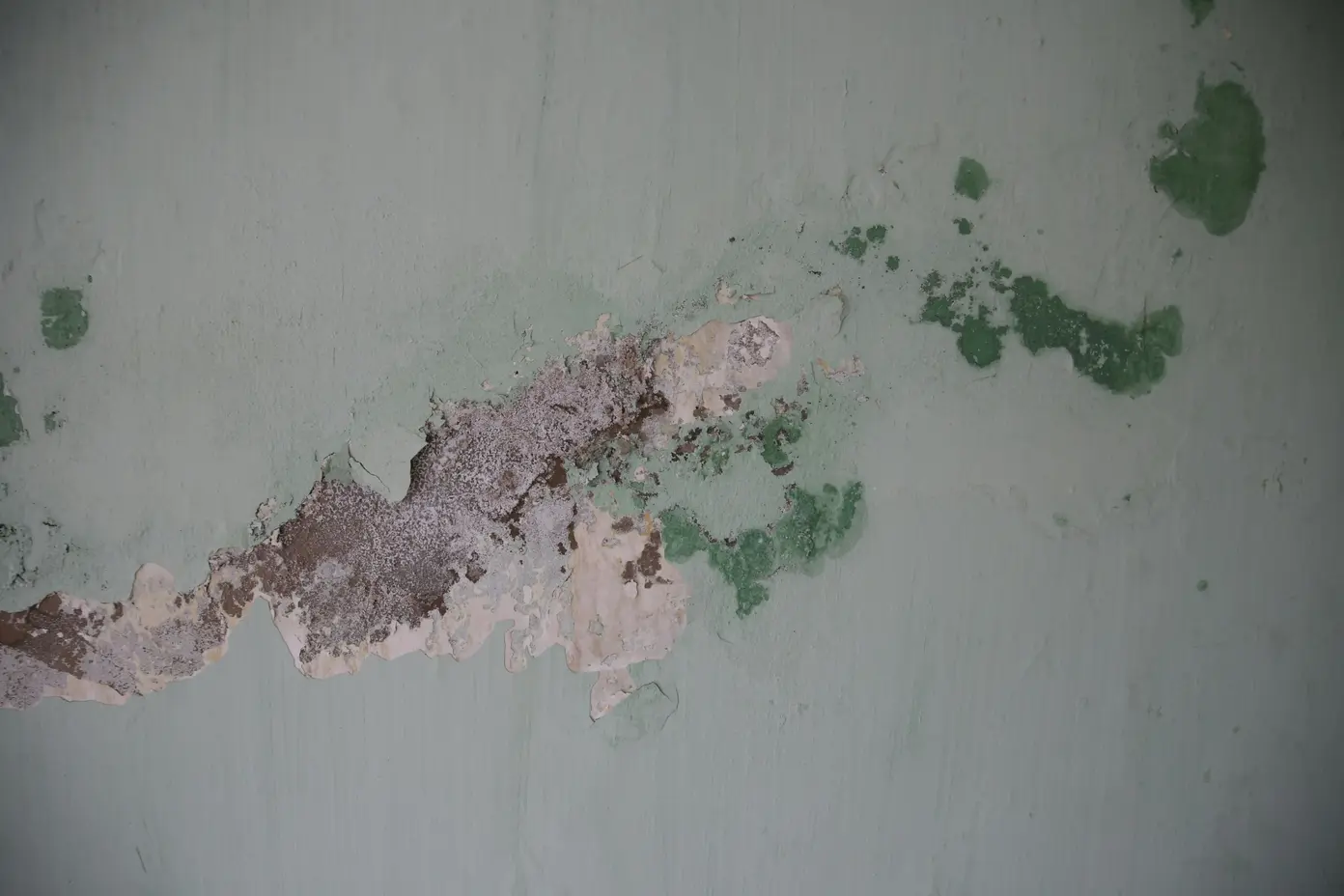
Mold requires moisture, oxygen, and a food source to grow. While Los Angeles is famous for dry weather, its unique microclimates create hidden moisture traps. The heavy Pacific marine layer pushes dense coastal fog into Santa Monica and the Westside, elevating indoor relative humidity. Inland areas like the San Fernando Valley experience massive temperature drops at night. This thermal difference causes hidden condensation to form inside wall cavities and air conditioning ducts.
Common Structural Trouble Spots
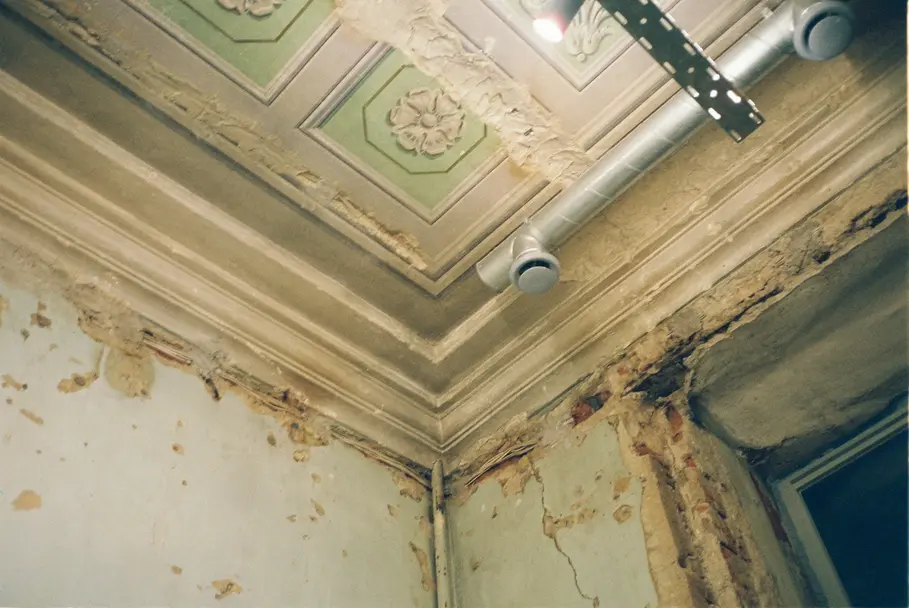
Once moisture touches drywall or wood framing, mold begins to grow within 24 to 48 hours. We frequently extract mold from:
Flat Roofs
Common in mid-century Los Angeles homes, these roofs often suffer from water ponding and slow leaks that saturate ceiling cavities.
Unvented Crawl Spaces
Older 1920s craftsman homes trap damp soil moisture under the subfloor, leading to unseen fungal growth that attacks wood joists.
Plumbing Walls
Aging galvanized plumbing lines leak slowly behind bathroom tiles and kitchen cabinets, creating an ideal dark and damp environment.
Identifying Dangerous Indoor Fungi: Black Mold vs. Common Household Spores
Toxic Black Mold (Stachybotrys chartarum): Indicators and Dangers
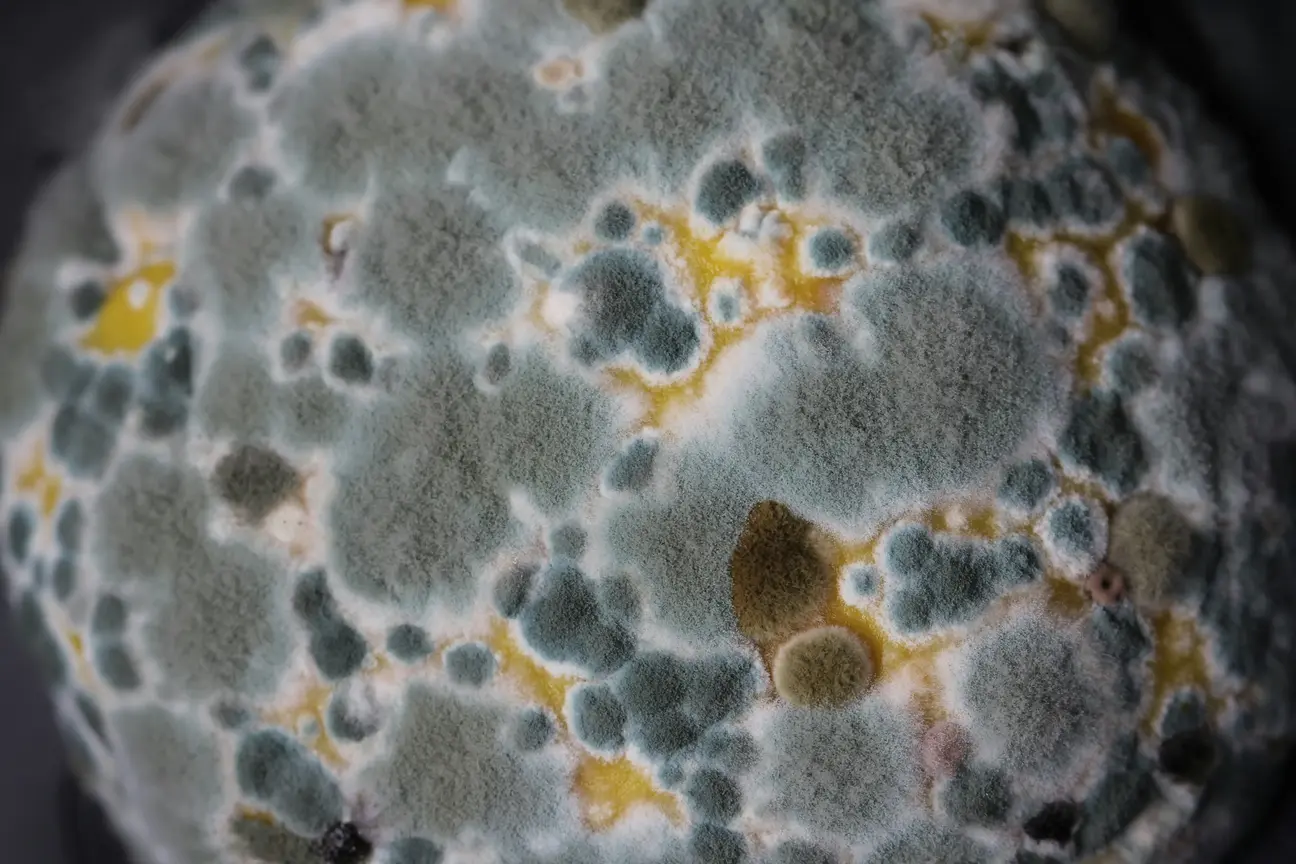
Not all mold is the same. While some surface mildew wipes away easily, Stachybotrys chartarum—commonly known as toxic black mold—poses a severe threat. This heavy, dark green or black fungus feeds heavily on the paper backing of drywall and ceiling tiles. It requires constant moisture to survive. You will rarely find it growing in the open; it thrives in dark, saturated wall cavities after a major leak.
Indoor Air Quality Issues and Health Risks from Airborne Spore Exposure
Molds like Aspergillus, Penicillium, and Cladosporium release microscopic spores and microbial volatile organic compounds (mVOCs) into your air. Central ventilation systems pull these particles in and blow them through every room in the building. Breathing in these mycotoxins drastically lowers indoor air quality. Exposure often triggers severe allergy flare-ups, chronic coughing, skin irritation, and asthma attacks in vulnerable children and pets.
The Professional Mold Removal Process: 6 Essential Steps
We do not just spray chemicals over the problem. We use the standardized IICRC S520 process to physically cut out and remove the mold.
Comprehensive Moisture Inspection & Thermal Mapping
We locate the exact source of the water intrusion. Our technicians use FLIR thermal imaging cameras and pinless moisture meters to map hidden water behind your walls and floors without breaking the drywall.
Physical Containment & Negative Air Pressure Setup
Before we remove any mold, we isolate the contaminated room. We seal the doorways and vents with 6-mil fire-retardant polyethylene sheeting. We then connect negative air pressure machines to prevent loose spores from flying into your clean living spaces.
Continuous Industrial HEPA Air Scrubbing
We run commercial air scrubbers equipped with true HEPA filters. These machines cycle the air continuously, capturing 99.97% of airborne spores as small as 0.3 microns during demolition.
Surgical Removal & Bagging of Porous Materials
You cannot clean porous materials once mold roots deep inside them. We carefully cut out and remove ruined drywall, acoustic ceiling tiles, soaked carpet padding, and contaminated insulation. We double-bag these materials inside the containment zone.
Deep HEPA Vacuuming & Antimicrobial Surface Treatment
We use heavy-duty HEPA vacuums on the exposed wood framing to suck up resting spores. Next, we scrub the solid lumber with EPA-registered antimicrobial agents to kill the remaining roots and remove the musty odor.
Structural Dehumidification & Final Cleanup
We deploy commercial dehumidifiers to pull deep moisture out of the structural wood. We dry the framing until it reaches a safe Equilibrium Moisture Content (EMC). This guarantees the mold will not return once we rebuild the wall.
Mold Removal Services for Every Property Type
We deploy customized containment and extraction protocols designed specifically for the unique structural layouts of Southern California buildings. From sprawling mid-century single-family homes to high-density commercial complexes, our extraction strategies prevent cross-contamination across floors and shared ventilation systems.
Residential Mold Removal: Single-Family Homes, Condos, and Apartments
We tailor our extraction process to protect your family and your personal belongings. For apartment buildings, we help property managers maintain compliance with the California Civil Code implied warranty of habitability, ensuring tenants return to a safe, clean unit rapidly.
Commercial Mold Removal & High-Rise Containment
Commercial facilities and high-rise office buildings require advanced logistical planning. We provide off-hours commercial service to keep your business running. We build strict zoned containment barriers to stop spores from traveling up elevator shafts or stairwells to other occupied floors.
HVAC & Air Duct Mold Removal: Clearing Spores from Ventilation
Air conditioners constantly generate condensation. If mold takes over your packaged AC unit, supply ducts, or return air plenums, it will blow spores everywhere. We use specialized duct sanitization tools to isolate the mechanical system, clean the coils, and extract fungal growth from the ductwork safely.
How Much Does Mold Removal Cost in Los Angeles?
Expected Cost Ranges by Job Size & Contaminated Area
We base our transparent pricing on the total square footage, the location of the mold, and the level of contamination. Below is an average cost matrix for Los Angeles properties:
| Scope of Removal | Square Footage | Average Cost Range | Typical Scenario |
|---|---|---|---|
| Minor | Under 10 sq. ft. | $500 – $1,500 | Isolated spot under a bathroom vanity or kitchen sink. |
| Moderate | 10 to 100 sq. ft. | $1,500 – $5,000 | A single flooded bedroom, attic section, or crawl space. |
| Extensive | Over 100 sq. ft. | $5,000 – $15,000+ | Multi-room damage, heavy structural tear-out, or HVAC integration. |
When Does Homeowners Insurance Cover Mold Removal?
Insurance generally covers mold removal if a sudden and accidental water event caused the growth—like a burst pipe or a broken water heater. Policies typically exclude mold caused by long-term maintenance neglect, such as a roof leak you ignored for six months. We offer direct carrier billing and insurance claims assistance to help you secure the funds you need.
The EPA 10-Square-Foot Rule: When to Clean vs. When to Hire a Pro
The EPA clearly states that homeowners can usually clean surface mold themselves if the affected area is smaller than 10 square feet (roughly a 3-foot by 3-foot patch). If the mold covers more than 10 square feet, or if it is inside your HVAC system, the EPA recommends hiring a professional to prevent massive spore release and cross-contamination.
Professional Standards, California Compliance, and Clearance Testing
The Value of Independent Third-Party Testing: Zero Conflicts of Interest
We believe in total transparency. We highly recommend using an independent, third-party industrial hygienist to conduct your post-removal clearance testing. Keeping the testing lab completely separate from the removal crew eliminates any conflict of interest. The hygienist performs air sampling and lab analysis to prove our crew successfully removed the hazard.
State Industry Standards and Real Estate Transaction Clearance
Hiring an unqualified handyman to cut out mold creates massive legal and health liabilities. We operate strictly under California industry guidelines and adhere to strict OSHA worker safety standards. If you are selling a home, our detailed remediation documentation and the independent hygienist's clearance report provide the legal proof you need to close your real estate escrow smoothly.
Frequently Asked Questions About Mold Removal in Los Angeles
What kills mold permanently inside a house?
Physical removal and moisture elimination kill mold permanently. You must cut out and discard porous materials like drywall. For solid wood framing, professionals use HEPA vacuuming and EPA-registered antimicrobial treatments, followed by commercial dehumidifiers to dry the area completely.
Can I legally live in a Los Angeles apartment with black mold?
Under the California Tenant Protection Act and the implied warranty of habitability, severe mold growth makes an apartment legally substandard. Landlords must fix the water leak and remove the mold promptly. If ignored, tenants have specific legal rights to demand repairs.
How long does the professional mold removal process take?
Most standard residential mold removal projects take between 3 to 7 days. Setting up containment and removing the mold takes 1 to 2 days. The remaining time involves running commercial dehumidifiers and air scrubbers to dry the framing and clean the air.
Does homeowners insurance cover mold removal in California?
Insurance typically covers mold removal only if it results directly from a covered peril, like a suddenly burst pipe. It usually will not cover mold resulting from deferred maintenance, like an old, slow plumbing leak. Always check your specific policy endorsements.
What is the difference between mold removal and mold remediation?
Mold removal refers to the physical act of cutting out and discarding the fungal growth. Mold remediation is the complete, comprehensive strategy. Remediation includes the initial testing, safe containment, physical removal, air scrubbing, and fixing the water source so the mold never returns.
Schedule Your Los Angeles Property Restoration Assessment
Do not allow hidden plumbing leaks, saturated crawl spaces, or toxic black mold colonies to threaten your family's health and structural property value. Our Los Angeles field crews are on standby 24 hours a day, 7 days a week to extract moisture, clear the air, and protect your home.