Precision Mold Remediation, Inspection & Structural Restoration
We resolve indoor fungal contamination, toxic black mold outbreaks, and structural moisture intrusion across California. Every project adheres strictly to ANSI/IICRC S520 remediation standards.
Targeted Structural Containment & Root Extraction
Surface cleaning cannot fix structural fungal growth. When moisture levels exceed 16% in drywall or framing lumber, mold colonies establish deep root systems within 24 to 48 hours.
We stop fungal spread at the source using 6-mil poly containment, continuous negative air pressure, and True HEPA air filtration down to 0.3 microns before executing surgical material extraction.
 Removal
Mold Removal Services
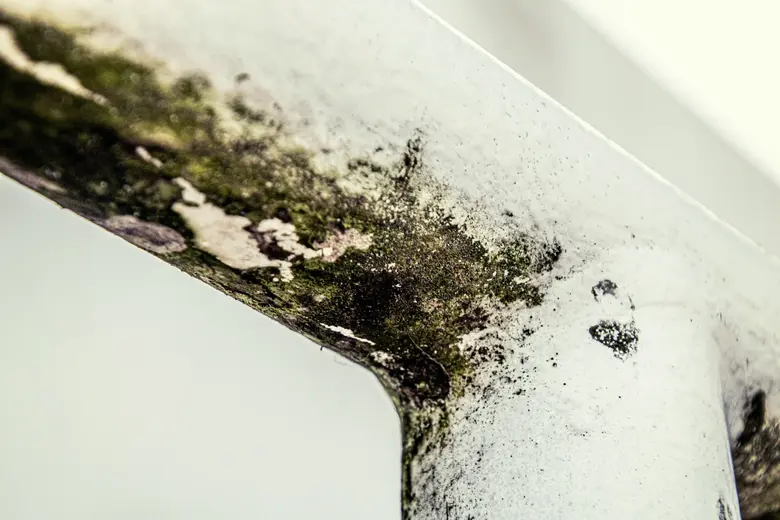
Physical extraction of active fungal growths from wall cavities, subfloors, crawl spaces, and vehicle interiors with antimicrobial washes.
- Attic mold removal
- Basement mold removal
- Crawl space mold removal
- Drywall & wall mold removal
- Bathroom & tile mold removal
- Shower mold removal
- Car & vehicle mold removal
 Remediation
Mold Remediation Services
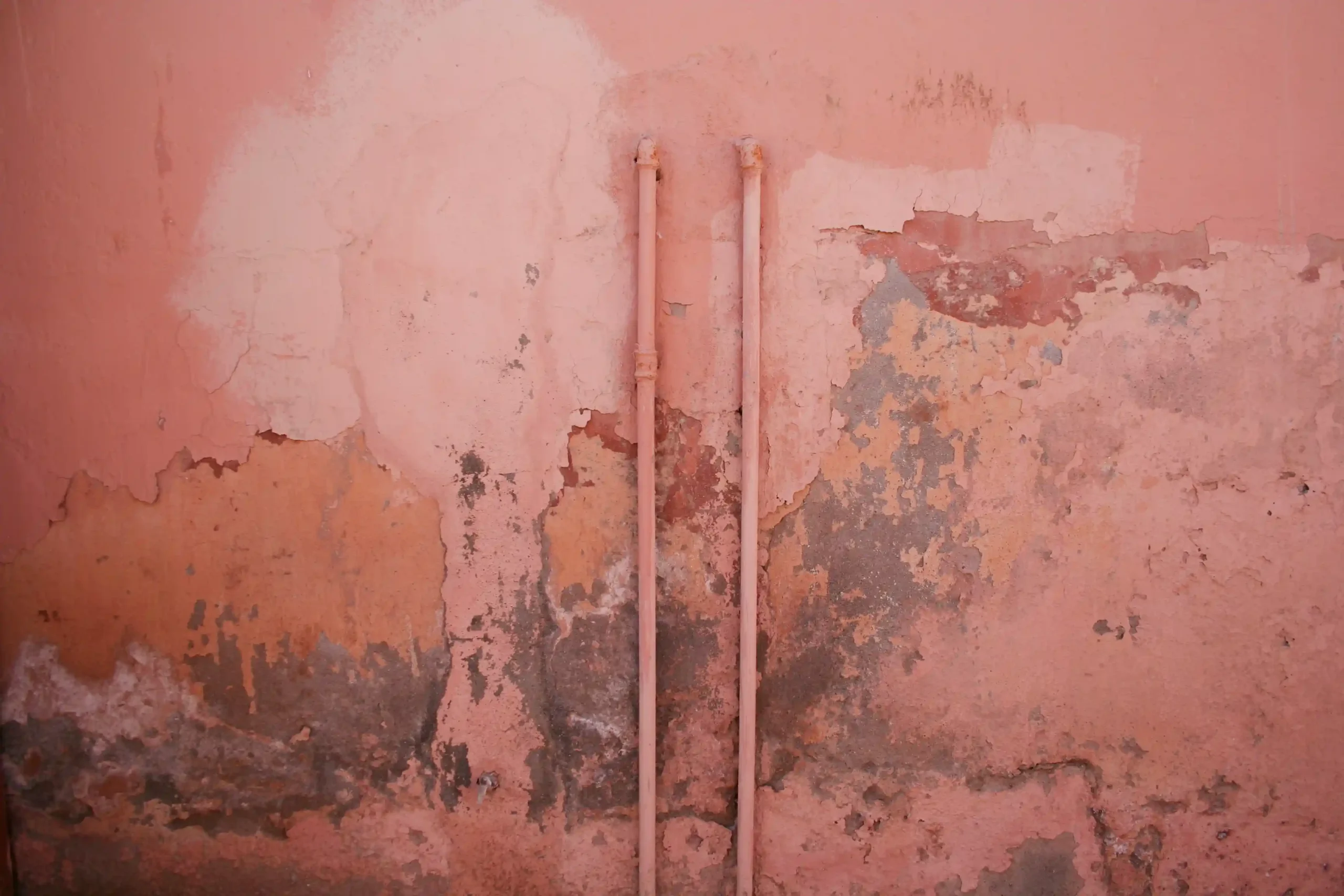
Complete structural decontamination using negative air containment chambers, HVAC duct sanitization, and moisture defect elimination.
- Professional mold remediation
- Structural mold remediation
- Whole house mold remediation
- HVAC & air duct remediation
- Post-water damage remediation
- Containment & clearance testing
 Inspection
Mold Inspection Services
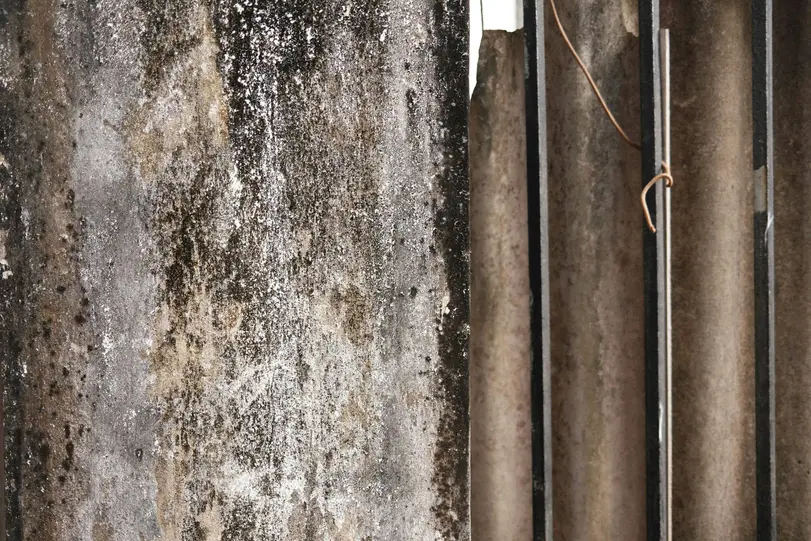
Non-destructive moisture mapping using infrared thermal imaging and pinless meters to expose hidden leaks inside ceilings and crawl spaces.
- Professional home inspection
- Pre-purchase real estate checks
- Thermal imaging leak inspection
- Crawl space & attic evaluation
 Testing
Mold Testing Services
Spore trap air pumping and surface swab sampling analyzed by independent accredited laboratories to verify fungal species and air safety.
- Air quality mold testing
- Toxic mold swab testing
- Post-remediation clearance
- DIY vs professional test analysis
 Abatement
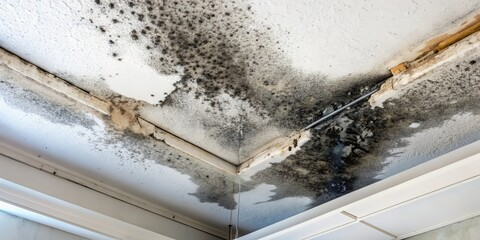
Black Mold Abatement
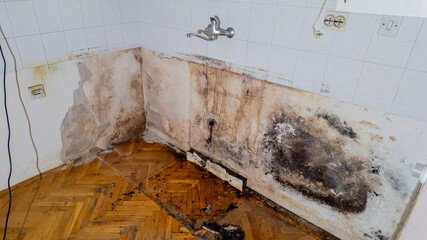
Hazard containment protocols for toxic Stachybotrys chartarum using full PPE, negative air exhaust, and sealed double-bag disposal.
- Toxic black mold removal
- Health hazard decontamination
- Emergency toxic mold abatement
- Spore containment air scrubbing
- Wall & bathroom remediation
 Restoration
Water Damage Restoration
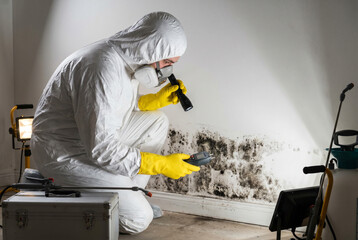
Emergency standing water extraction and rapid structural dehumidification to halt fungal colonization within the critical 24–48 hour window.
- Water extraction & cleanup
- Structural dehumidification
- Emergency flood restoration
- Post-flooding water removal
 Commercial
 Mold Remediation
Engineered decontamination for office complexes, multi-family housing, warehouses, and schools with night-shift scheduling to prevent downtime.
- Industrial building mold removal
- Apartment & multi-family units
- Office air quality restoration
- Warehouse decontamination
- Hospital & school remediation
S520 Standard Protocol
Every containment wall and antimicrobial application follows ANSI/IICRC S520 guidelines.
HEPA Air Filtration
Continuous negative pressure scrubbers filter ambient air down to 0.3 microns at 99.97% efficiency.
Independent Lab Clearance
Third-party industrial hygienists analyze final air quality before containment walls are removed.
Itemized Billing
Direct moisture data and Xactimate line-item estimates aligned for insurance adjuster coordination.
Frequently Asked Questions
What is the difference between mold removal and mold remediation?
Removal simply cleans visible surface spores. Remediation is a complete structural process: setting up negative-pressure isolation, treating deep root hyphae in framing lumber, fixing the moisture source, and confirming clean air through independent lab testing.
How quickly does mold germinate after an indoor water leak?
Mold spores activate within 24 to 48 hours of exposure to moisture. If wet drywall, subfloors, or insulation are not dried immediately, active colonization begins and can spread rapidly through wall cavities.
Can occupants stay on the property during remediation?
Yes, for isolated areas like bathrooms or crawl spaces. Our sealed 6-mil poly containment and exterior-vented negative air machines keep living quarters completely separated from the work area.
Why shouldn't household bleach be used on wood or drywall?
Bleach is mostly water. On porous surfaces, the chlorine remains on the exterior while the water soaks inside, feeding the mold roots and causing colonies to re-emerge quickly.
How do California microclimates impact indoor moisture?
Coastal marine dampness traps moisture inside uninsulated exterior walls, while inland areas face roof attic condensation from heavy AC cycling during hot summers. Dehumidification must be matched to local conditions.
Speak With An Environmental Specialist
Contact our California team for prompt on-site diagnostic moisture imaging, containment, and structural drying.