Commercial Mold Remediation
When moisture intrudes into commercial properties, fungal growth can quickly spread through interconnected air systems, disrupt business operations, and create major liability risks under Cal/OSHA standards. Mold Out California deploys high-volume negative air pressure systems, heavy-duty containment barriers, and strict microbial removal protocols to protect California facilities, keep tenants safe, and ensure full regulatory compliance.
What is Commercial Mold Remediation?
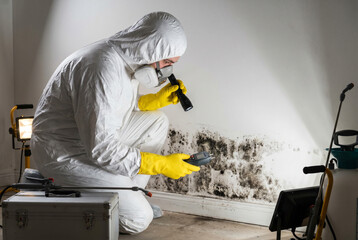
Commercial mold remediation is a technical, engineering-driven process designed to locate, contain, and physically remove fungal contamination from commercial buildings. Unlike single-family homes, commercial real estate involves complex challenges: central air handling units (AHUs), shared interstitial plenums, drop-ceiling cavities, and dense concrete or steel assemblies. Simple surface wiping or uncontained cleaning only scatters millions of microscopic spores across active tenant zones, turning an isolated problem into an expensive, multi-floor crisis.
Professional remediation follows the nationally recognized ANSI/IICRC S520 Standard for Professional Mold Remediation. This technical standard categorizes indoor spaces into three distinct environmental states:
Condition 1 (Normal Fungal Ecology): An indoor environment that reflects normal background spore counts, with no active colonies or settled spore accumulation beyond ambient outdoor levels.
Condition 2 (Settled Spores): Surfaces and structural assemblies that contain settled fungal spores dispersed from nearby growth, but do not yet support active vegetative hyphae.
Condition 3 (Actual Growth): Confirmed active fungal colonies that digest organic substrates, release volatile organic compounds (MVOCs), and generate harmful airborne spores.
Our team uses these strict diagnostic standards to eliminate Condition 3 colonies and return contaminated areas back to a verified Condition 1 environment. When building systems suffer sudden water leaks, our comprehensive structural mold remediation protocols help preserve costly materials and restore proper indoor air quality.
Why Commercial Properties Require Specialized Remediation
Architectural & Environmental Factors
Commercial variable air volume (VAV) systems and shared return-air plenums can circulate mold spores across entire office floors in just minutes. Remediation requires dynamic system lockouts, negative air pressure isolations, and detailed duct decontamination.
With hundreds of employees, customers, or patients under one roof, containment must be completely airtight. Even small breaches can trigger health complaints, union disputes, or emergency building closures.
Commercial building assemblies contain fireproofing materials, acoustic ceiling grids, elevator shafts, and hollow-block masonry. Moisture trapped within these assemblies requires deep thermal diagnostics and non-destructive inspection tools.
Legal, Compliance & Operational Factors
California property owners and employers are legally required to maintain safe indoor air quality under Cal/OSHA Title 8 standards. Ignoring microbial growth creates severe regulatory fines, workers' compensation liabilities, and lease disputes.
Shutting down an entire retail store, clinic, or corporate floor can cost thousands of dollars every day. Our crews use phased containment zones and off-hours scheduling to keep unaffected areas open and operational.
Commercial property insurers demand line-item Xactimate documentation, daily psychrometric readings, chain-of-custody laboratory reports, and clear photographic evidence before approving claims payments.
Industries & Facility Types We Serve
Corporate Offices
Multi-story office towers, executive suites, and corporate campuses. We isolate work areas cleanly so your staff can keep working safely.
Healthcare Facilities
Outpatient surgical centers, medical offices, and clinics. We follow strict infection control risk assessments (ICRA) and critical HEPA filtration standards.
Schools & Campuses
Classrooms, auditoriums, and child care centers. We eliminate environmental triggers to keep students, faculty, and support teams safe.
Hospitality & Hotels
Guest rooms, commercial kitchens, laundry centers, and resorts. We quickly resolve moisture problems to preserve bookings and online reviews.
Industrial Warehouses
Distribution hubs, manufacturing facilities, and cold storage centers. We clean high-bay ceilings and structural joists without slowing shipping schedules.
Multi-Family Living
Apartment communities, condominiums, and HOA properties. We coordinate directly with on-site property managers to keep tenant disruptions low.
Retail Spaces
Shopping malls, supermarkets, and specialty retail shops. We protect merchandise inventory from airborne spore contamination and odors.
Municipal Buildings
Courthouses, public utilities, and government offices. We deliver fully defensible compliance paperwork and standardized project logs.
Our Complete Commercial Mold Remediation Process
Forensic Moisture Mapping
We deploy FLIR thermal imagers, RF moisture meters, and digital borescopes to trace plumbing leaks and roof penetrations behind commercial wall systems without destructive demolition.
Critical Containment Setup
Technicians build airtight 6-mil polyethylene isolation walls with zipper airlocks. We seal off all HVAC supply vents and return grills to prevent cross-contamination into clean business areas.
Negative Pressure Control
Commercial negative air machines vent scrubbed air to the building exterior. By keeping the containment zone under negative pressure, air flows inward, keeping spores trapped inside.
Source Removal & Cleaning
Saturated drywall and insulation are bagged in 6-mil hazmat sacks. Structural framing is HEPA vacuumed, mechanically abraded, and treated with EPA-registered botanical antimicrobials.
HVAC Decontamination
When air distribution systems are impacted, we mechanically clean ductwork, scrub air handling units, and treat evaporator coils under strict continuous HEPA filtration.
Clearance Verification
Independent third-party environmental hygienists perform post-remediation verification (PRV) testing, including indoor air sampling, to confirm the building is safe to reoccupy.
Minimizing Business Disruption During Remediation
At Mold Out California, we know that commercial downtime directly hurts your bottom line. An unexpected shutdown can halt manufacturing, cancel medical appointments, or breach client contracts. That is why our commercial operations run around your business hours.
We offer flexible scheduling, including night shifts, weekend mobilizations, and phased sectional containment. In multi-story buildings, we isolate individual office suites or maintenance wings. This allows business operations in neighboring departments to continue without exposure to dust, noise, or odors.
Our field teams use whisper-quiet commercial air scrubbers, sealed negative pressure runs, and discreet waste removal pathways. We keep your property management team updated with daily logs and drying benchmarks so you always know the exact status of your project. If you are noticing unusual odors or water stains, schedule a non-invasive commercial mold inspection today.
Containment, HVAC & EPA Remediation Levels
EPA Commercial Remediation Levels
Applies to small ceiling tile patches or limited pipe chases. Remediation requires regular personal protective equipment (PPE), dust suppression, and controlled HEPA vacuuming without extensive plastic walls.
Typical for localized wallboard damage from minor plumbing leaks. Requires surface poly covers, sealed waste containers, and local exhaust ventilation to stop spores from migrating into hallway areas.
Found along exterior walls or perimeter offices after storm leaks. Demands full containment barriers, sealed double-flap airlocks, negative pressure machines, and continuous HEPA filtration.
Large-scale contamination inside HVAC ductwork, plenum ceilings, or across entire floors. Demands complete engineered containment airlocks, decontamination transition chambers, and independent clearance testing before re-occupancy.
HVAC & Air Distribution Protocols
Our technicians immediately shut down affected air handling systems to prevent spores from blowing into occupied spaces. Duct zones are physically capped with heavy vinyl seals before physical cleaning starts.
Using motorized rotary duct brushes and industrial vacuum collectors, we dislodge dust and microbial colonies from interior duct walls without tearing insulation liners.
Evaporator coils, drain pans, and air louvers are deep-cleaned and treated with EPA-registered biostatic solutions to stop future mold growth. If you suspect hazardous species like Stachybotrys, explore our specialized black mold abatement services.
Why California Facility Managers Trust Mold Out California
24/7 Rapid Mobilization
Our California response teams are ready 24/7 with commercial extraction units and HEPA equipment to control moisture before mold spreads.
ANSI/IICRC S520 Standards
Every step of our process follows national remediation standards to ensure a clean, reliable, and legally defensible outcome.
Independent Verification
We work directly with third-party environmental testing labs to verify that your indoor air quality is clean and safe to reoccupy.
Building Science Focus
From finding hidden moisture to complete recovery, learn how our building science recovery framework protects your property's value.
Related Environmental Restoration Services
Commercial Mold Inspection
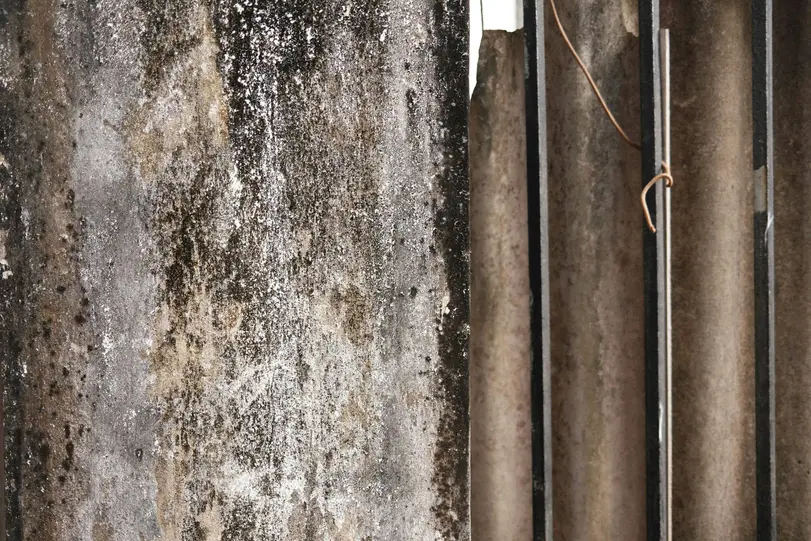
Non-destructive moisture tracking, thermal imaging scans, and thorough cavity checks across commercial buildings.
Explore Inspection →
Commercial Mold Testing
Air sampling and surface swab analysis processed through accredited independent microbiology laboratories.
Explore Mold Testing →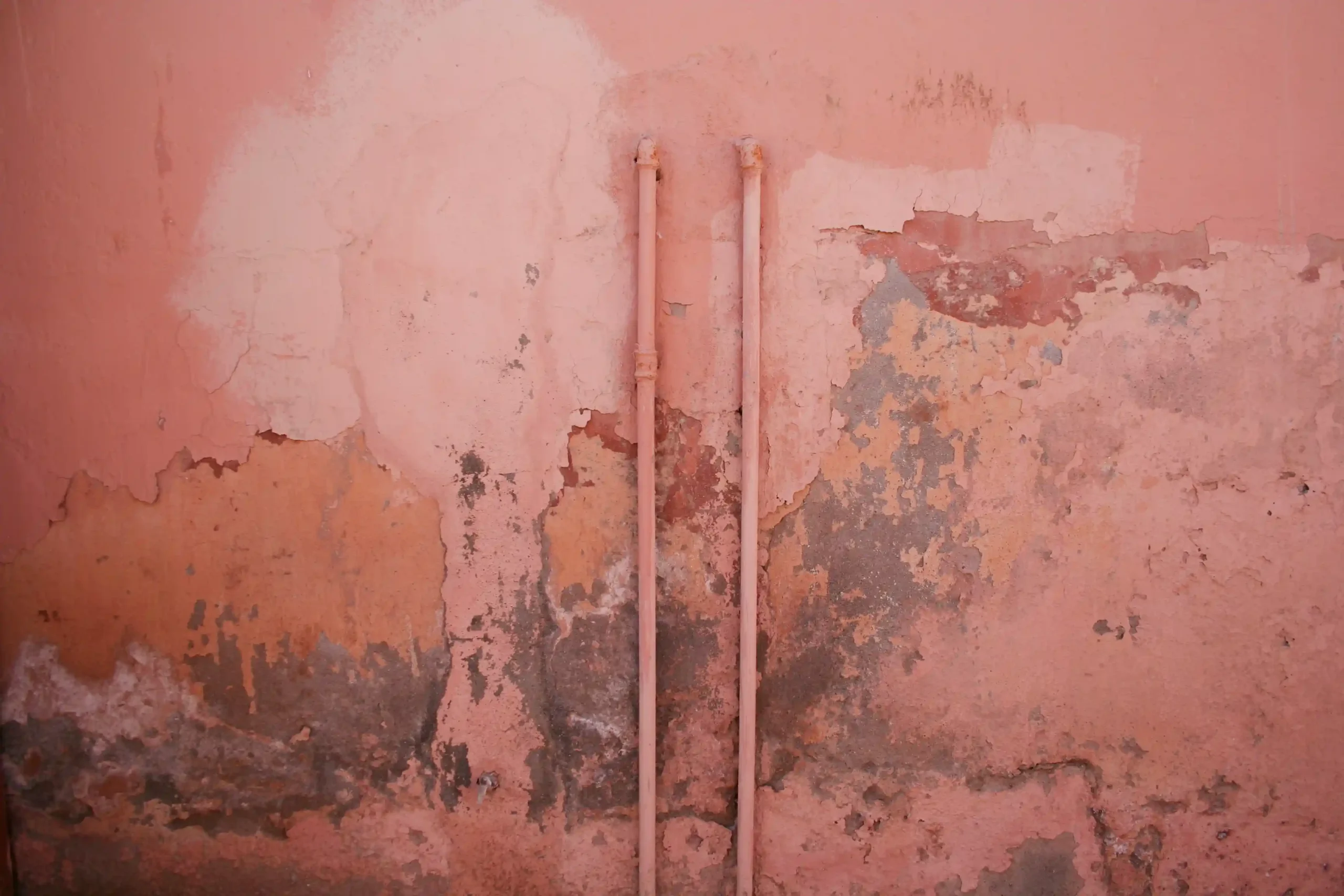
Structural Mold Remediation
Airtight containment walls, negative pressure machines, and deep cleaning to safely clear fungal roots from framing.
Explore Remediation →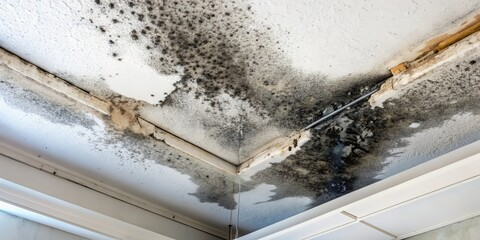
Black Mold Abatement
High-level containment protocols to safely extract dangerous mycotoxin-producing Stachybotrys colonies.
Explore Black Mold →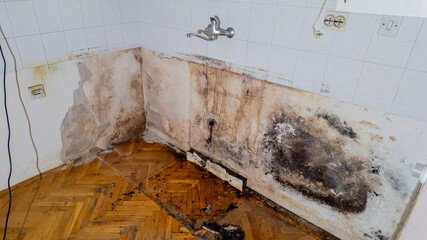
Water Damage Restoration
Industrial water extraction and structural drying to stop secondary fungal contamination before it starts.
Explore Water Restoration →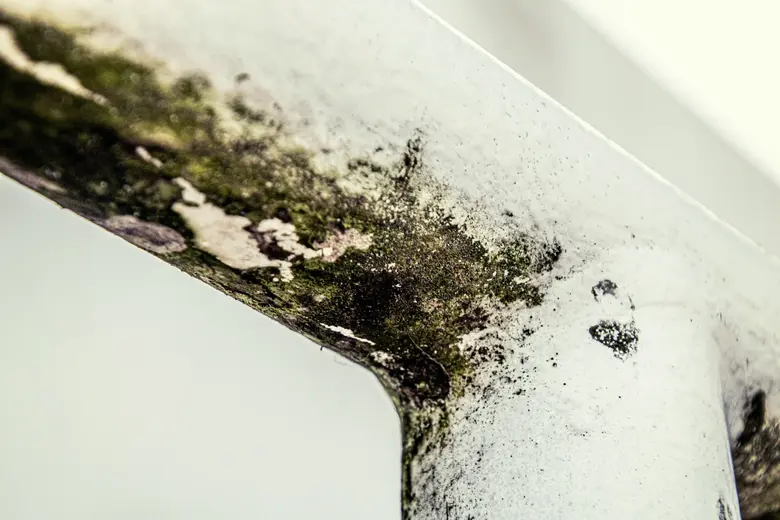
All Restoration Services
Browse our complete catalog of building containment, structural cleaning, and air decontamination services.
View All Services →Frequently Asked Questions
How much does commercial mold remediation typically cost?
Commercial remediation generally costs between $10 and $25 per square foot for standard structural treatments, and between $15 and $35 per square foot for complex setups involving HVAC systems or fire-rated assemblies. Small isolated projects range from $2,500 to $8,000, while multi-story or large-scale projects can run from $25,000 to over $100,000. Review our detailed benchmarks on our pricing page.
Do we have to shut down our business during the remediation process?
In most cases, no. By setting up physical negative air pressure containment walls, we completely seal off the work area from the rest of your facility. We also offer evening and weekend scheduling to carry out noisy demolition and material hauling outside of your normal operating hours.
How long does a commercial remediation project take from start to finish?
Most localized commercial projects take between 2 and 5 business days. Larger multi-room or multi-floor facilities involving HVAC ductwork cleaning and structural drying may require 7 to 14 business days. Project completion depends on passing independent laboratory post-remediation verification testing.
What is Post-Remediation Verification (PRV) testing?
Post-Remediation Verification (PRV), or clearance testing, is an objective inspection conducted after cleaning is finished. An independent environmental professional takes indoor air and surface samples to confirm spore counts have returned to normal Condition 1 background levels before containment walls are taken down.
Does commercial property insurance cover mold removal and remediation?
Most commercial policies cover remediation if the mold was caused by a sudden, covered water leak—such as a burst supply line, broken fire sprinkler, or water heater rupture. Gradual leaks or long-term neglect are often limited or excluded. We provide your insurance adjuster with complete Xactimate estimates, daily moisture logs, and lab documentation to simplify the claims process.
How do you prevent mold from returning to our commercial facility?
Mold cannot grow without a steady source of moisture. We locate and correct the root water intrusion issue—such as building envelope leaks, plumbing defects, or high relative humidity. Once the moisture source is fixed and structural lumber is dried to normal equilibrium standards (under 12% to 15%), fungal colonies cannot regrow.
Protect Your Facility, Tenants, and Bottom Line
Contact our California commercial response team for rapid on-site moisture assessments, containment setups, and complete ANSI/IICRC S520 microbial remediation.