Black Mold Abatement
When toxic black mold colonies colonize wet drywall, subfloors, or wall cavities, standard surface wiping is not enough. Toxic molds release airborne spores and dangerous mycotoxins into your indoor breathing air. Mold Out California deploys critical negative pressure containment, true HEPA filtration, and strict physical extraction protocols across California to stop toxic mold contamination at the root.
What is Black Mold Abatement?
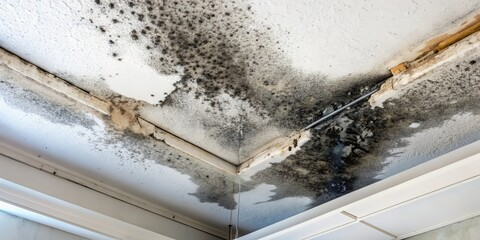
Black mold abatement is a controlled biological containment and removal process designed to extract toxigenic fungal colonies safely. It focuses on dangerous species like Stachybotrys chartarum, Chaetomium, and dark dematiaceous molds without contaminating clean rooms in the home. Unlike general surface dusting, abatement isolates the work area under negative air pressure, removes contaminated building materials in sealed bags, and scrubs the indoor air clean with industrial HEPA filtration.
Under the ANSI/IICRC S520 standard for professional mold removal, active toxigenic black mold growth represents a Condition 3 contamination. That means real fungal growth is present, producing millions of microscopic spores and chemical mycotoxins that easily travel through open hallways and central HVAC ducts. Simply spraying bleach on porous drywall does not solve the issue. Bleach is mostly water; the chlorine evaporates on the surface while moisture sinks deeper into the wall, feeding the hidden root structure.
True abatement eliminates the mold source entirely. Our technicians physically take out contaminated porous materials, hand-clean semi-porous framing studs with EPA-registered botanical antimicrobials, and apply protective encapsulants to exposed structural timbers. If an unaddressed leak caused this fungal outbreak, our structural mold remediation services and building-wide mold removal solutions return your indoor living space to a clean, balanced Condition 1 baseline.
Why Black Mold Requires Specialized Abatement
Fungal Biology & Cellular Growth
Stachybotrys chartarum thrives on materials high in cellulose and low in nitrogen. Drywall paper, plywood subflooring, wallpaper glue, and acoustic ceiling tiles serve as prime food sources once saturated by persistent moisture.
Unlike common molds, black mold requires prolonged saturation to grow. A material water activity over 0.90 for eight to twelve days allows black mold colonies to establish deep root systems within building assemblies.
When moist colonies dry out, disturbance triggers sudden mass sporulation. Tearing down dry contaminated walls without dust-lock poly containment spreads dangerous fungal particulates across clean living areas.
Chemical Toxicity & Structural Impact
Black mold produces satratoxins, roridins, and secondary metabolites that bind to spore surfaces. These chemicals remain chemically stable and toxic long after the mold organism itself is dead, requiring physical HEPA vacuum extraction.
The EPA recommends professional containment protocols whenever mold growth exceeds ten square feet. Attempting DIY cleanup on widespread colonies easily over-saturates living quarters with hazardous airborne bio-aerosols.
Fungal roots grow deeply into the gypsum core of drywall and interior framing. Surface wiping cannot eliminate these roots, which is why safe physical removal of porous materials is strictly required.
Health Risks of Black Mold Exposure
Upper Respiratory Distress
Continuous coughing, severe throat irritation, persistent nasal congestion, and wheezing triggered by breathing active mycotoxins and spore fragments.
Asthma & Allergy Triggers
Sudden flare-ups of asthma attacks, allergic rhinitis, and reactive airway inflammation in both children and adult building occupants.
Systemic Exposure Reactions
Chronic headaches, unexplained fatigue, and eye irritation linked to persistent secondary fungal metabolites trapped inside enclosed rooms.
High-Risk Population Vulnerability
Infants, the elderly, and immunocompromised individuals face elevated risks of deeper pulmonary complications from uncontained toxic fungal colonies.
Our Complete Black Mold Abatement Process
Diagnostic Assessment
We deploy thermal cameras and calibrated pin meters to map hidden moisture reserves, defining the precise boundary of Condition 3 microbial contamination.
Source Correction
Every active plumbing leak, roof failure, or exterior moisture intrusion is corrected immediately to stop the continuous water source feeding the fungal colony.
Critical Containment
We build airtight chambers using heavy 6-mil polyethylene sheeting, seal off HVAC supply ducts, and construct dual-chamber decontamination airlocks.
Negative Air Scrubbing
Commercial negative air machines run continuously, creating inward pressure and passing ambient air through HEPA filters to capture 99.97% of spores.
Porous Demolition
Infested drywall is cut twelve to eighteen inches past visible mold edges, sealed inside 6-mil disposal bags within containment, and wiped clean before removal.
HEPA Vacuuming
Technicians vacuum all exposed structural stud framing, sill plates, and concrete surfaces using high-efficiency particulate air vacuums to capture settled mycotoxins.
Antimicrobial Cleaning
Structural framing is hand-scrubbed with EPA-registered botanical antimicrobials and biological detergents to break down fungal residues and embedded mold roots.
Encapsulant Application
Remaining structural framing timbers are sealed with antimicrobial encapsulants to lock down non-salvageable wood fibers and prevent future moisture absorption.
Structural Drying
Low Grain Refrigerant dehumidifiers dry framing lumber until internal wood moisture levels fall below 15% and relative humidity stabilizes under 50%.
Containment & Safety Protocols for Black Mold
Safety during toxigenic mold abatement is governed by strict physical isolation. When our technicians handle high-risk species like Stachybotrys, we implement engineering controls identical to hazardous abatement jobs. Cross-contamination to living rooms, bedrooms, and clean ventilation systems is strictly prevented by airtight containment barriers.
Every abatement containment is built using flame-retardant 6-mil polyethylene sheeting attached to heavy tension poles. Flanged zipper doorways create an entry airlock, giving technicians a controlled space to vacuum outer protective suits before stepping into clean zones. Pressure differentials are maintained using negative air units that exhaust filtered air outside the building envelope, ensuring any accidental tear draws clean air into containment rather than pushing spores outward.
All technicians wear full personal protective gear. This includes NIOSH-rated full-face P100 respirators to filter out hazardous biological particulates, disposable Tyvek suits with taped wrists and ankles, nitrile double-gloving, and chemical-resistant boot covers. Saturated materials leave the work area only after being sealed inside heavy 6-mil poly disposal bags and sanitized in the decontamination chamber.
Black Mold Identification & Testing Verification
Visual Inspection Limits
Color alone cannot verify if a fungal colony is toxic. Harmless molds can look jet-black, while toxigenic strains can appear dark green or gray.
Forensic Diagnostics
Our on-site mold inspection technicians deploy FLIR infrared cameras and non-invasive moisture meters to find hidden damp wall sections.
Laboratory Testing
Accredited third-party lab mold testing analyzes air cassettes and surface lift tapes to identify spore counts and species speciation.
Clearance Testing
Independent post-remediation verification confirms containment areas have returned to normal fungal baselines before walls are closed and rebuilt.
Why Property Owners Trust Mold Out California
IICRC S520 Standards
Every abatement plan, negative pressure setup, and physical removal follows strict ANSI/IICRC S520 professional remediation protocols.
Zero Cross-Contamination
Airtight containment walls, double-chamber zip airlocks, and true HEPA negative air filtration ensure clean living areas remain untouched.
Independent Verification
We welcome third-party environmental hygienist testing to review our completed work and supply defensible clearance documents.
Building Science Focus
Learn more about our building diagnostic protocols on our company background page to see how we protect property value.
Related Environmental Remediation Services
Mold Inspection
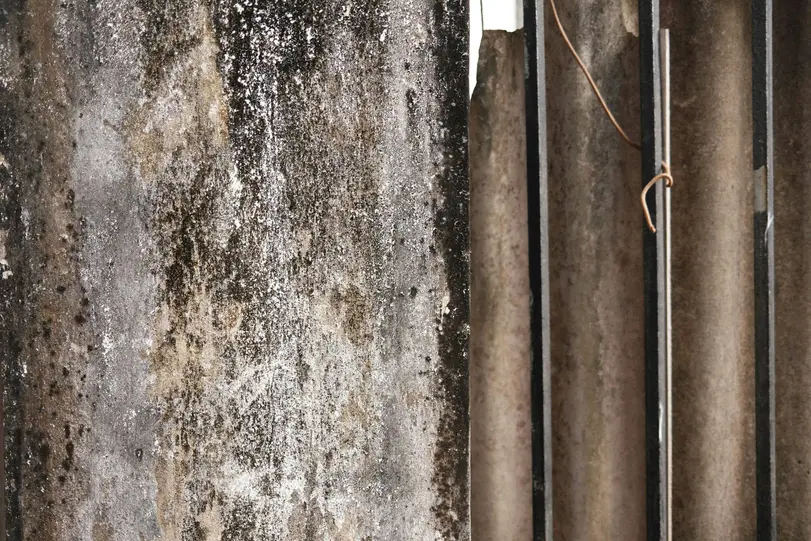
Non-destructive moisture mapping and infrared thermal imaging to pinpoint moisture leaks inside walls and crawl spaces.
Explore Inspection →
Mold Testing
Accurate indoor air quality sampling and surface tape lifts evaluated through independent accredited microbiology laboratories.
Explore Mold Testing →
Mold Remediation
Whole-home structural containment, spore control, and deep antimicrobial treatments to eliminate mold root systems permanently.
Explore Remediation →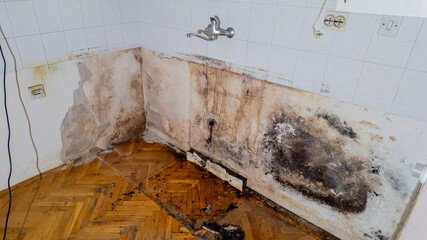
Water Damage Restoration
Fast liquid extraction and structural dehumidification to dry saturated lumber before dangerous mold spores germinate.
Explore Water Extraction →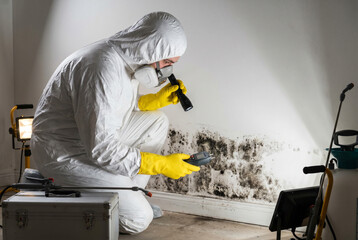
Commercial Remediation
Large-scale environmental containment and structural recovery for commercial properties, offices, and multi-family facilities.
Explore Commercial →
All Restoration Services
Browse our complete catalog of indoor moisture diagnostics, hazardous abatement, and structural cleanup solutions.
View All Services →Frequently Asked Questions
What makes black mold abatement different from standard mold cleaning?
Standard cleaning often handles surface dust or non-porous bathroom tile. Black mold abatement treats toxic species like Stachybotrys as serious biological hazards. It requires sealed negative pressure plastic chambers, full personal protective gear, true HEPA air scrubbers, and safe disposal of all contaminated porous drywall to prevent toxins from spreading throughout the property.
Can I use household bleach or vinegar to remove black mold?
No. The EPA does not recommend using household bleach for porous surfaces like drywall, wood framing, or acoustic tiles. Bleach is mostly water; the chlorine dries out quickly on the exterior, while the water absorbs deep into the porous material, leaving the mold roots intact to regrow. Professional abatement physically removes contaminated porous materials and applies EPA-registered botanical antimicrobials to structural wood.
When should a property owner hire professionals instead of handling it DIY?
The EPA recommends professional remediation if visible mold covers more than 10 square feet (roughly a 3-foot by 3-foot section), if the infestation reaches into your HVAC heating or cooling ducts, or if contamination follows sewage backups. When high-risk black mold colonizes porous walls, handling it without proper negative air equipment can contaminate your entire home.
How much does professional black mold abatement cost?
Costs depend on the affected square footage, accessibility of the area (such as tight attics or crawl spaces), and how deep the water damage runs. Small contained areas usually range from $600 to $2,500, while multi-room containment and structural restoration can range from $3,500 to $10,000 or more. You can check typical pricing benchmarks on our transparent pricing guide.
Does property insurance cover black mold abatement?
Coverage depends on the original cause of the water damage. Most insurance policies cover sudden and accidental water events, like a burst plumbing supply pipe or a sudden water heater rupture. Gradual leaks, long-term humidity buildup, and deferred home maintenance are frequently excluded. Many policies also feature specific mold coverage caps (often $5,000 to $10,000), making itemized documentation critical during claims processing.
How do you verify that black mold has been completely removed?
Clearance is verified through post-remediation verification (PRV). After thorough HEPA vacuuming, antimicrobial scrubbing, and encapsulant application, an independent industrial hygienist collects air cassette samples and surface tape tests inside the containment area. Work is confirmed complete only when indoor spore counts match or sit below outdoor ambient baseline levels.
Eliminate Toxic Black Mold at the Root
Do not let mycotoxins and airborne spores compromise your indoor living environment. Connect with our California abatement specialists for safe containment, physical extraction, and clear diagnostic testing.