Mold Inspection Services
Concealed moisture behind walls, under subfloors, and across attic framing creates invisible fungal colonies long before surface spots appear. Mold Out California delivers forensic mold inspection services throughout California properties. Using high-resolution infrared thermal imaging, calibrated moisture mapping, and thorough cavity checks, we find the moisture source, track active spore growth, and provide clear scopes before repairs begin.
What is Mold Inspection?
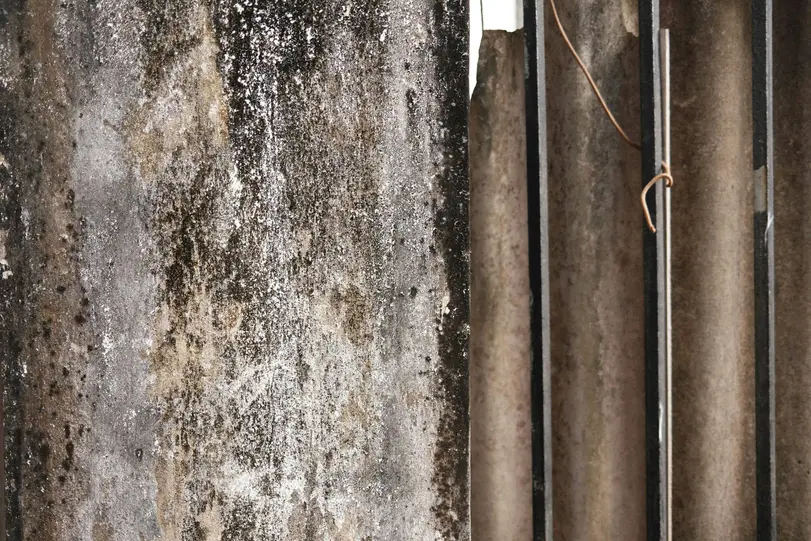
A professional mold inspection is an on-site forensic investigation designed to locate active fungal colonies, trace water intrusion paths, and evaluate indoor air safety. While simple visual assessments only notice discolored patches on baseboards or drywall, a thorough building evaluation diagnoses the entire property structure. Mold spores need moisture, organic food sources, and stagnant airflow to colonize. When supply pipes drip, roof flashing shifts, or crawl space humidity spikes, colonies thrive inside dark structural assemblies.
Our field inspectors uncover these hidden problems without tearing apart finished surfaces. By combining physical building assessments with non-destructive moisture meters and thermal optics, we locate concealed water pockets inside insulation bats, subflooring, and wall stud cavities. If laboratory verification is needed to quantify airborne spore counts or confirm specific species, we seamlessly integrate scientific mold testing services into your on-site assessment.
Identifying moisture intrusion is the core of our work. Without locating and resolving the underlying water problem, physical cleaning provides only temporary relief. Whether your building has endured minor plumbing leaks or substantial structural flooding, our assessment creates the exact foundation needed for targeted mold remediation services and long-term building health. Discover our full environmental capabilities across our complete property restoration catalog.
Signs You Need a Professional Mold Inspection
Earthy, Musty Odors
Persistent damp, pungent smells that linger even after deep cleaning signal active microbial volatile organic compounds (mVOCs) off-gassing from inside wall cavities or HVAC ductwork.
Unexplained Moisture
Peeling wall paint, bubbling wallpaper, sagging ceiling gypsum, or baseboard discoloration point directly to concealed water leaks pooling along structural framing members.
Past Water Leaks
Plumbing overflows, roof drainage failures, slab leaks, or historical property events requiring emergency water damage restoration often leave lingering moisture pockets.
Recurring Health Symptoms
Occupants experiencing persistent morning congestion, unexplained coughing, itchy eyes, skin rashes, or chronic respiratory flare-ups when inside specific rooms.
Our Complete Mold Inspection Process
Initial Consultation
We review your structure's leak history, past plumbing repairs, roof age, and specific areas where occupants notice odd odors or physical health reactions.
Visual Assessment
Our inspectors examine high-risk structural areas, including crawl spaces, attics, plumbing chases, utility closets, perimeter foundations, and mechanical rooms.
Thermal Imaging
Using FLIR infrared cameras, we scan wall faces and ceilings to detect subtle temperature variations caused by active evaporative cooling behind drywall.
Moisture Mapping
We log non-destructive radio frequency readings and deep pin resistance values across baseplates, subflooring, and drywall to map exact moisture footprints.
Cavity Inspection
When scans identify hidden thermal anomalies, we insert micro-borescope cameras through tiny openings to directly observe framing without tearing down walls.
Clearance Mapping
We document every finding, identify root plumbing or structural defects, and build a definitive remediation plan for immediate property correction.
Mold Inspection Report & Detailed Field Findings
Following our physical field evaluation, we translate raw technical measurements into an actionable, comprehensive inspection report. Property owners, real estate professionals, and insurance carriers rely on our clear documentation to understand the exact scope of environmental loss. Rather than vague notes, our reports provide clear, verifiable facts.
Every inspection deliverable includes high-resolution thermal imaging captures paired with digital baseline photos, moisture map charts highlighting wet framing, and precise measurements of affected square footage. If visual indicators suggest hazardous species like Stachybotrys chartarum, we specify proper protocols for toxic black mold abatement and prompt containment setup.
Your report concludes with an objective, itemized Scope of Work. This step-by-step blueprint details necessary engineering controls, HEPA filtration setups, contaminated material removal lines, and drying targets. This ensures any subsequent physical mold removal is completed cleanly, efficiently, and with zero guesswork.
Why Choose Professional Mold Inspection
Advanced Instrumentation
We utilize precision infrared cameras, digital hygrometers, and calibrated moisture meters that uncover wet assemblies hidden from plain sight.
Unbiased Evaluation
Our focus centers strictly on identifying moisture origins, structural dampness boundaries, and factual building science diagnostics across every room.
Defensible Documentation
We supply formatted digital reports with thermal evidence, moisture logs, and line-item scopes accepted by property adjusters across California.
Building Science Focus
Learn how our experienced environmental field teams protect occupant safety and structural durability at our dedicated about us company overview.
Related Environmental & Restoration Services
Mold Testing
Independent laboratory air cassette sampling and surface tape lifts to identify specific spore species and airborne concentration counts.
Explore Mold Testing →
Mold Remediation
Structural negative air containment, HEPA vacuuming, and antimicrobial treatments to eliminate deep microbial colonies safely.
Explore Remediation →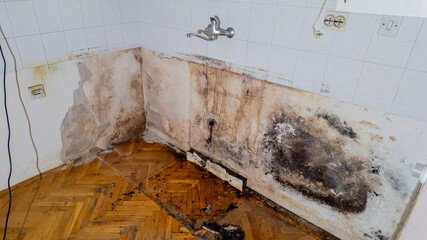
Water Damage Restoration
Rapid bulk water extraction, psychrometric structural drying, and dehumidification to halt progressive building decay.
Explore Water Restoration →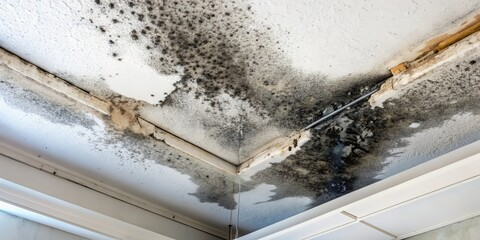
Black Mold Abatement
Specialized hazardous environmental containment to safely isolate and remove toxic Stachybotrys chartarum infestations.
Explore Black Mold →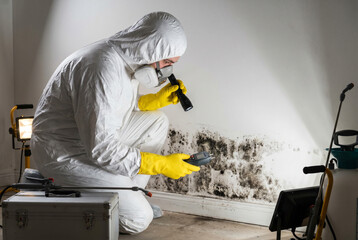
Commercial Remediation
Large-scale building decontamination and indoor air quality management for corporate facilities, warehouses, and schools.
Explore Commercial →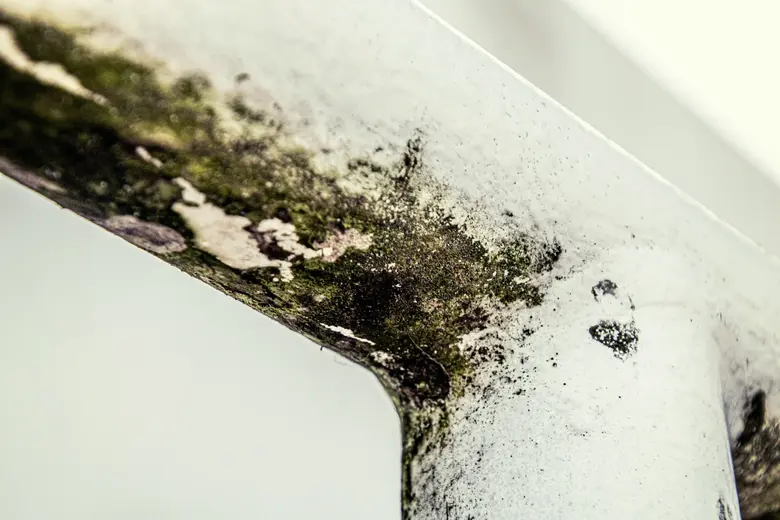
Mold Removal Services
Comprehensive physical cleaning, surface antimicrobial sterilization, and permanent source elimination across California properties.
Explore Mold Removal →Frequently Asked Questions
What is the difference between a mold inspection and mold testing?
A mold inspection is a physical examination of a building's structure using thermal imaging, moisture meters, and visual assessments to locate dampness and active fungal growth. Mold testing involves collecting physical air cassettes or surface lift samples and sending them to an accredited microbiology laboratory to determine specific spore types and ambient particle counts.
Can an inspector find mold behind drywall without cutting holes?
Yes. We use high-resolution infrared thermal imaging cameras and non-penetrating radio frequency moisture meters. These tools reveal evaporative cooling lines and trapped moisture behind walls without damaging your paint or sheetrock. If suspicious moisture is found, a tiny borescope camera can look inside with minimal disruption.
How long does a professional mold inspection take?
A thorough on-site mold inspection for an average single-family home or light commercial property typically takes between 1.5 to 3 hours. Inspection duration depends on the overall square footage, attic accessibility, crawl space conditions, and the complexity of past water intrusion events.
Should I get an inspection before buying a home in California?
Yes. Standard general home inspections focus on basic functionality and often overlook hidden microbial activity inside attics, behind tiled showers, or within moist crawl spaces. A dedicated mold inspection pinpoints past water intrusions, active plumbing leaks, and hidden mold before closing escrow.
What happens if the inspection reveals significant mold growth?
Our inspector provides a detailed report outlining the exact square footage affected, the source of the moisture problem, and an itemized remediation protocol. This clear plan guides professional remediation teams in setting up containment barriers, running air scrubbers, and safely removing damaged materials.
How much does a mold inspection service typically cost in California?
Mold inspection costs vary based on square footage, building layout, and whether crawl spaces or attics require special access. We maintain straightforward and competitive pricing across all California locations. You can check our published figures on our dedicated pricing benchmarks page.
Identify Hidden Moisture & Mold Before It Spreads
Schedule a detailed on-site assessment with Mold Out California to pinpoint hidden leaks, assess indoor air quality, and safeguard your property.